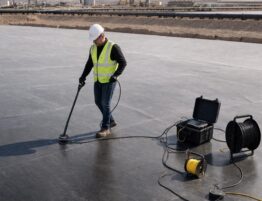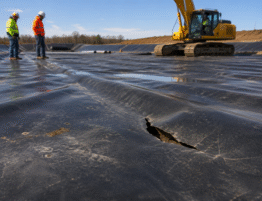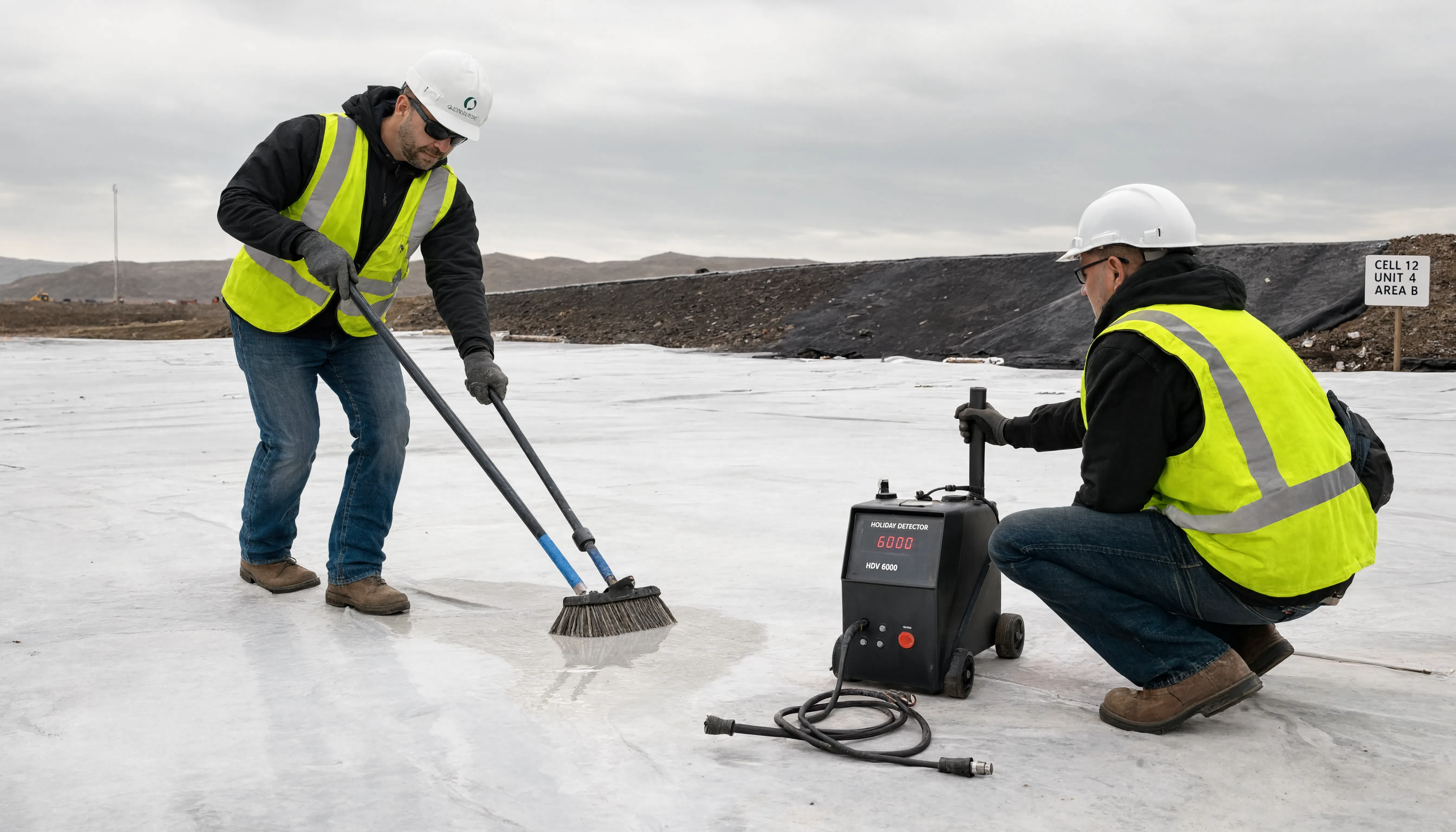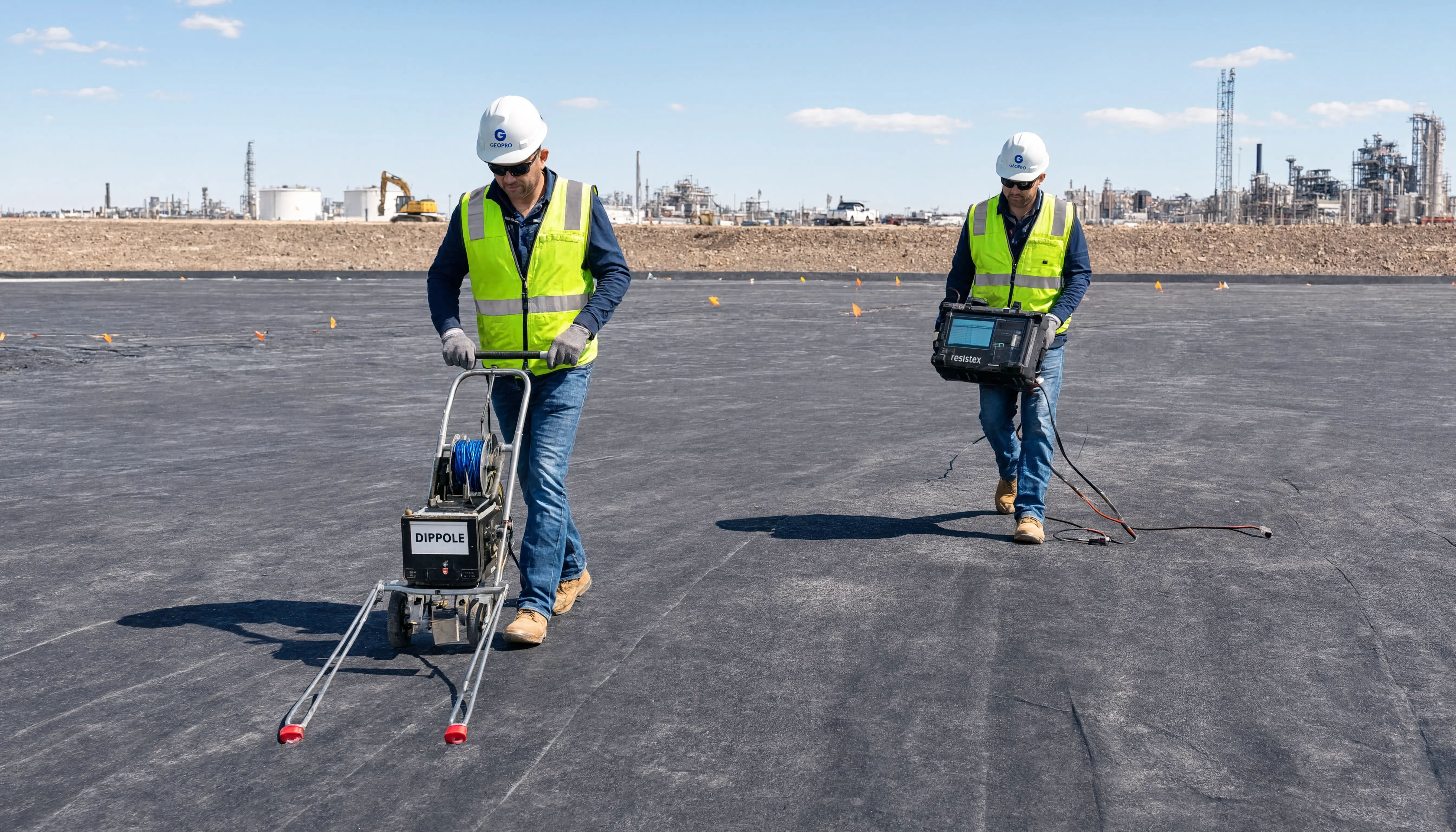
Understanding when to perform leak detection testing is essential for any project that relies on geomembranes to contain liquids, waste, chemicals, process water, or other materials. Leak detection testing is not just a final checkpoint before a project is turned over. It is a strategic quality control step that can help identify defects, imperfections, and holes before they become costly problems. When scheduled correctly, Electrical Leak Location Surveys can support better construction outcomes, reduce rework, help protect the environment, and give project owners greater confidence that the installed liner system is ready for service.
Geomembranes are used in demanding applications, including landfills, ponds, reservoirs, mining facilities, wastewater treatment systems, secondary containment areas, and industrial storage sites. These systems often serve as a critical barrier between contained materials and the surrounding environment. Even a small hole or installation-related imperfection can create a pathway for leakage. That is why leak detection testing should be considered throughout the project timeline, not only at the end.
Below is a practical look at the best times to perform leak detection testing during a project, why timing matters, and how project teams can use testing to improve results.
Why Leak Detection Testing Should Be Planned Early
Leak detection testing is most effective when it is built into the project schedule from the beginning. Waiting until construction is nearly complete can limit access, make repairs more difficult, and increase the risk of delays. Early planning allows the project team to coordinate testing around liner installation, cover placement, water filling, operational deadlines, and inspection requirements.
Planning ahead also helps ensure that testing conditions are suitable. Electrical Leak Location Surveys require proper site preparation, access, and coordination with construction crews. If these needs are not considered until the last minute, the survey may be delayed, or the site may need additional work before testing can be performed.
Including leak detection testing in the project timeline early can help teams:
- Identify the most appropriate survey method for the application
- Schedule testing before the liner is covered or placed into service
- Reduce delays caused by last-minute repairs
- Improve communication between installers, engineers, contractors, and owners
- Document that testing was completed at the right project stage
- Support regulatory, contractual, or owner-driven quality requirements
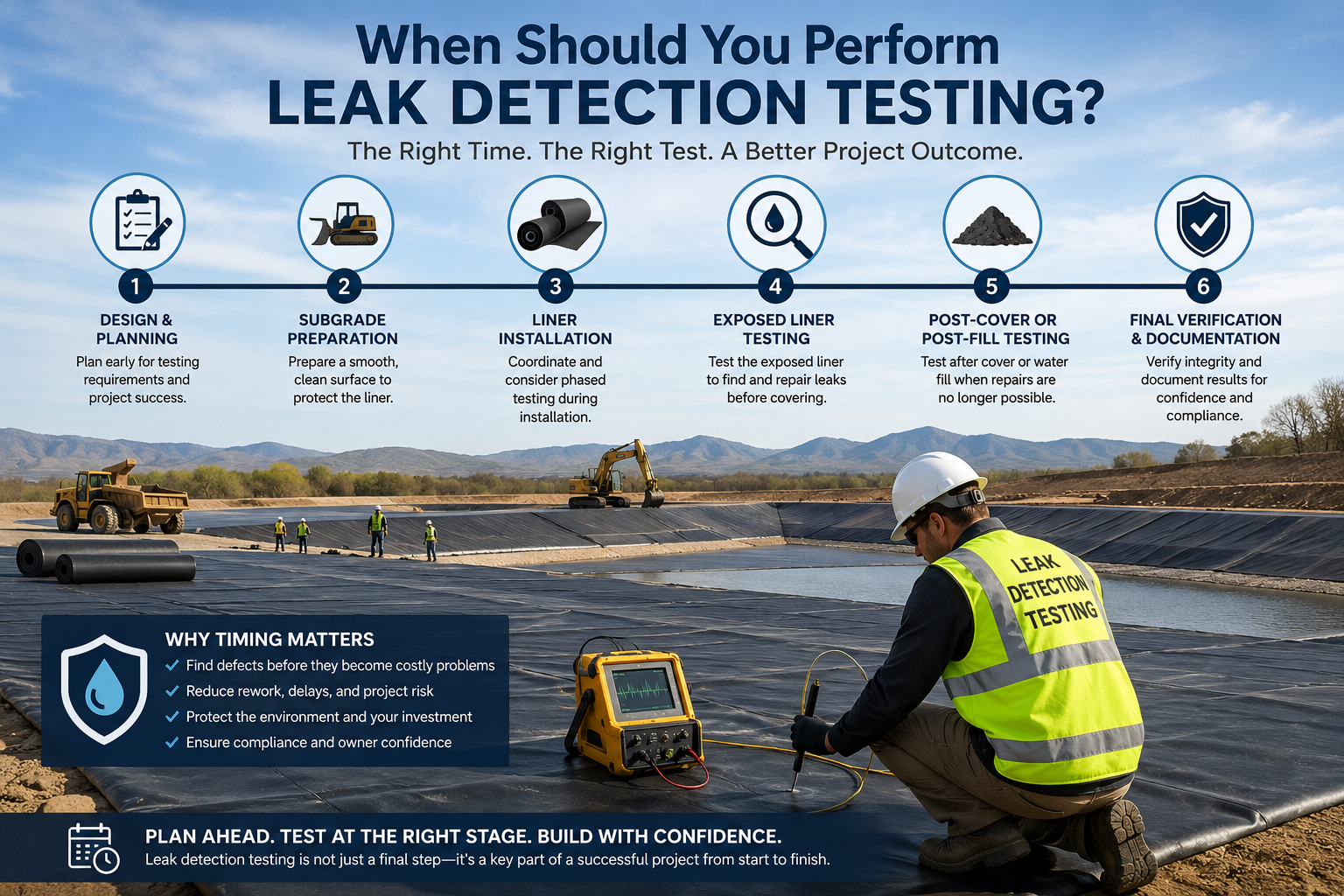
During Design and Preconstruction Planning
The first point at which leak detection testing should be considered is during design and preconstruction planning. While testing itself does not happen at this stage, key decisions made during planning can affect how effective the survey will be later.
During this phase, project teams should determine whether an Electrical Leak Location Survey will be required, recommended, or requested by the owner. The design team should also consider the type of geomembrane, site layout, slope conditions, access points, expected cover materials, and project sequencing.
For example, some survey methods are performed on exposed geomembrane, while others are used after soil, gravel, or water has been placed over the liner. Understanding the preferred method early helps the team schedule work properly and avoid conflicts with construction activities.
Preconstruction planning is also the right time to review:
- Project specifications
- Regulatory expectations
- Owner quality control standards
- Site access requirements
- Liner material and thickness
- Subgrade and cover material conditions
- Expected weather and moisture conditions
- Repair and retesting procedures
By addressing leak detection testing before construction begins, the project team can avoid treating it as an afterthought.
After Subgrade Preparation and Before Liner Installation
Leak detection testing is not typically performed before the geomembrane is installed, but this stage still matters. A properly prepared subgrade can reduce the likelihood of liner damage during installation. Sharp rocks, debris, uneven surfaces, roots, and other hazards can create stress points that may contribute to holes or imperfections once the liner is placed.
Before liner installation begins, the project team should inspect the subgrade carefully. While this is separate from leak detection testing, it supports a better outcome during later survey work. A clean, smooth, and well-prepared surface helps reduce the risk of avoidable damage.
This stage is also a good time to confirm that the upcoming survey can be performed efficiently. Access routes, staging areas, water sources, if needed, and communication protocols should be reviewed before liner installation progresses too far.
During Geomembrane Installation
The installation phase is one of the most important times to think about leak detection testing. Many defects, imperfections, and holes occur during construction due to equipment movement, dropped tools, welding activity, foot traffic, shifting materials, or accidental punctures.
Although leak detection testing is usually performed after a defined section of liner has been installed, the project team should coordinate closely with the testing provider during this phase. Large projects may benefit from phased testing rather than waiting until the entire liner system is complete.
Phased testing can be especially useful when:
- The project area is large
- Construction is moving quickly
- Some sections will be covered before others are complete
- Access will become limited later
- The schedule has strict completion milestones
- Multiple crews are working in different areas
Testing in phases allows repairs to be made while the liner is still accessible. It can also help identify recurring construction issues, such as damage from a specific type of equipment or activity. Correcting those issues early may prevent additional holes from being created in later sections.
Before Cover Material Is Placed
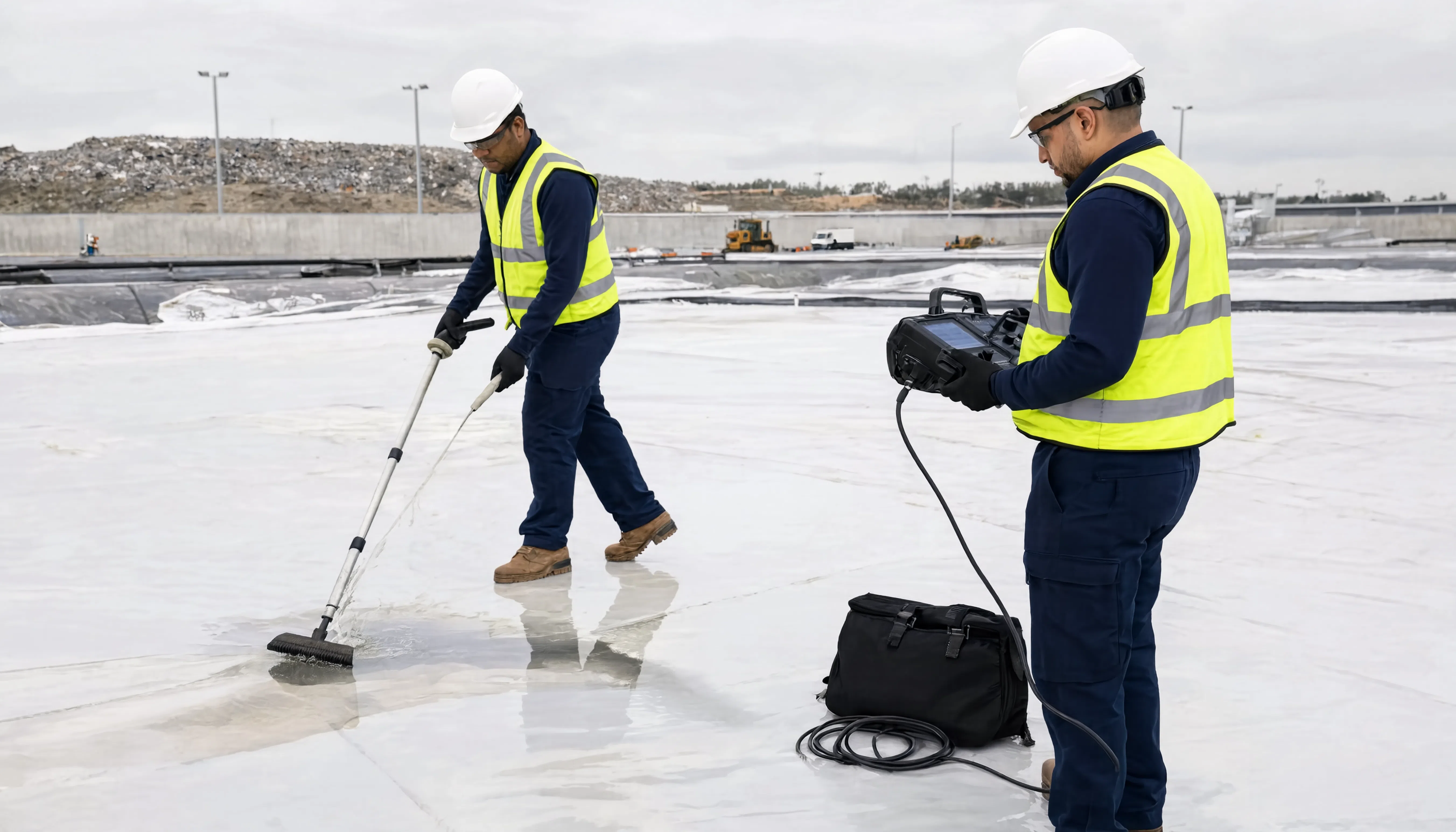
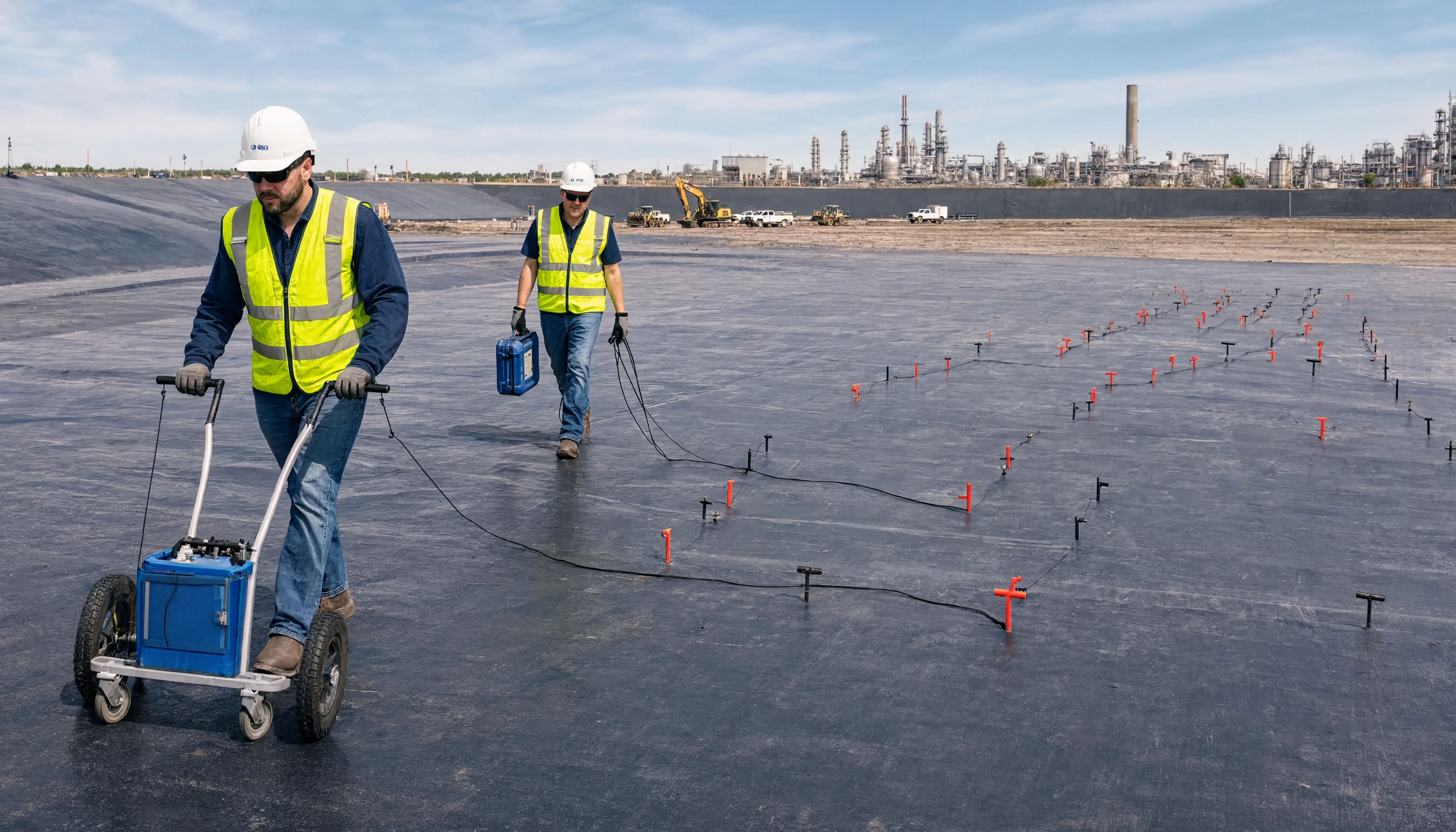
One of the most valuable times to perform leak detection testing is after geomembrane installation and before cover material is placed. At this point, the liner is still exposed, accessible, and easier to repair. If a hole or imperfection is found, crews can usually locate and fix it quickly without removing soil, gravel, ballast, or other materials.
Testing before cover placement is often preferred because it can help catch installation-related damage before the system becomes more difficult to inspect. Once a geomembrane is covered, repairs can become more labor-intensive and costly. Cover material may need to be removed, the damaged area exposed, repairs completed, and the area restored.
For projects where the geomembrane will be covered soon after installation, scheduling is especially important. Leak detection testing should be placed directly into the construction sequence so that the survey can be completed before the liner is no longer accessible.
This timing is especially important for:
- Landfill cells
- Heap leach pads
- Wastewater ponds
- Secondary containment systems
- Evaporation ponds
- Stormwater containment systems
- Industrial process ponds
When possible, project teams should avoid covering geomembrane before testing has been completed and repairs have been verified.
After Cover Material Is Placed
In some projects, leak detection testing is performed after cover material has been installed. This can be appropriate when the selected survey method is designed for covered geomembranes. Covered testing can help detect holes that may have occurred during placement of soil, gravel, drainage media, protective layers, or other materials.
Cover placement is a common source of liner damage. Heavy equipment, angular aggregate, uneven loading, and movement of protective materials can create holes even if the liner passed earlier inspections. For that reason, testing after cover placement can provide valuable information about the condition of the liner after one of the most damage-prone phases of construction.
This stage is especially important when:
- Equipment has operated over the lined area
- Drainage aggregate or protective soil has been placed
- The liner will no longer be visible
- The facility will soon be placed into service
- The project owner wants additional quality control documentation
- The site has high environmental or operational consequences if leakage occurs
In many cases, testing both before and after cover placement provides the most complete approach. The first survey helps identify installation-related defects, while the second helps identify damage caused by covering activities.
Before Filling, Startup, or Commissioning
Another critical time to perform leak detection testing is before the lined system is filled, activated, or placed into service. Once liquids, waste, process fluids, or other materials are introduced, locating and repairing holes can become more complicated. In some cases, service may need to be delayed or interrupted to complete repairs.
Pre-commissioning testing helps confirm that the lined area has been evaluated before operations begin. It also creates useful documentation for owners, engineers, contractors, and regulators.
This stage is particularly important for facilities such as:
- Wastewater treatment ponds
- Mining process ponds
- Water reservoirs
- Chemical containment areas
- Industrial storage basins
- Landfill cells before waste placement
- Agricultural lagoons
- Power plant containment systems
Testing before startup can help reduce risk and prevent avoidable operational disruptions. It also gives the project team an opportunity to correct issues while construction resources are still available on site.
After Repairs Are Completed
Leak detection testing should also be considered after repairs are made. Finding a hole is only part of the process. The project team must also confirm that repairs were completed correctly and that no additional defects were introduced during the repair process.
Repair verification may involve visual inspection, destructive or nondestructive seam testing, or a follow-up Electrical Leak Location Survey, depending on the project requirements and the nature of the issue. On high-risk or highly regulated projects, retesting may be especially valuable.
Retesting can help confirm:
- The identified hole was repaired
- The repair area is performing as expected
- No nearby imperfections were missed
- Additional damage was not caused during repair work
- Project documentation is complete
For best results, repair and retesting procedures should be defined before the survey begins so that the team can respond quickly if defects are found.
During Project Closeout
Leak detection testing can play an important role in project closeout. At this stage, the owner, engineer, contractor, and installer may need documentation showing that the geomembrane was surveyed and that identified holes were addressed.
Closeout documentation may include survey reports, location maps, repair records, photographs, test conditions, method descriptions, and final results. This information can become part of the permanent project record and may be useful for future maintenance, regulatory review, or operational planning.
Project closeout is not the ideal time to perform the first and only leak detection survey if access has already become limited. However, it is an important time to organize and review all testing documentation.
During Future Maintenance or Periodic Inspections
Leak detection testing is not limited to new construction. Existing geomembrane systems may also benefit from surveys during maintenance, expansion, repairs, or performance evaluations. Over time, liners can be affected by settlement, weather exposure, operational activity, equipment damage, or changes in loading conditions.
Periodic testing may be recommended when:
- A facility has been in service for many years
- Leakage is suspected
- The liner has been exposed to unusual stress
- Repairs or modifications have been made
- The facility is being expanded
- Regulatory requirements call for inspection
- The owner wants to evaluate system performance
For existing facilities, leak detection testing can help identify holes that are not visible during routine inspection.
Best Practices for Scheduling Leak Detection Testing
To get the most value from leak detection testing, project teams should make scheduling decisions based on access, risk, construction sequence, and operational needs.
Best practices include:
- Include leak detection testing in the project specifications
- Coordinate with the survey provider before installation begins
- Avoid covering geomembrane before testing when exposed testing is planned
- Consider phased testing on large or complex projects
- Test after cover placement when construction activity may have caused damage
- Complete testing before filling or startup
- Plan for repair verification and possible retesting
- Keep clear records of all survey results and repairs
- Communicate schedule changes early to avoid delays
The right timing depends on the project, but the overall principle is simple: test when the liner is accessible, when results can still influence construction decisions, and before leakage could create larger consequences.
FAQ
When is the best time to perform leak detection testing?
The best time is typically after geomembrane installation and before the liner is covered, filled, or placed into service. This allows defects, imperfections, and holes to be found and repaired while the liner is still accessible.
Should leak detection testing be done before or after cover material is placed?
It depends on the project and survey method. Testing before cover placement can identify installation-related holes, while testing after cover placement can identify damage caused by soil, gravel, drainage media, or equipment. Some projects benefit from both.
Can leak detection testing be performed in phases?
Yes. Phased testing is often useful on large or fast-moving projects. It allows sections to be surveyed and repaired before access becomes limited or construction progresses too far.
Why should leak detection testing be scheduled before commissioning?
Testing before commissioning helps identify holes before liquids, waste, or other materials are introduced. Repairs are usually easier, faster, and less disruptive before the system is placed into service.
Is leak detection testing only needed for new construction?
No. Existing geomembrane systems can also be tested during maintenance, repairs, expansions, or when leakage is suspected. Periodic surveys can help locate holes that may not be visible during routine inspections.
What happens if a hole is found during testing?
The hole is located, marked, documented, and then repaired by the appropriate construction or liner repair team. Depending on project requirements, the repaired area may be retested or otherwise verified.
Who should perform Electrical Leak Location Surveys?
Electrical Leak Location Surveys should be performed by experienced specialists who understand geomembrane systems, site conditions, testing methods, and project documentation requirements.
Partner With Leak Location Services, Inc.
Leak detection testing is most effective when it is planned at the right stages of the project timeline and performed by a qualified, experienced team. From new construction to existing facilities, the right survey can help identify defects, imperfections, and holes before they lead to costly problems.
We are an international company specializing in Electrical Leak Location Surveys of Geomembranes. With over 33 years of experience, our team delivers first-class surveys for clients worldwide. Whether your project involves a landfill, pond, reservoir, mining facility, wastewater system, or secondary containment application, we can help you determine the right testing approach and timing for your site.
Contact us today to learn how our experienced team can support your next geomembrane project.