Understanding when to perform a leak survey on a liner system is essential for protecting containment performance, reducing environmental risk, and extending the service life of geomembrane-lined facilities. Whether a liner system is installed for a landfill, mining operation, wastewater pond, industrial containment area, or water storage facility, even a small leak can compromise the integrity of the system if it goes undetected. Leak detection is not just a troubleshooting step after a problem appears. It is a proactive quality assurance measure that should be performed at key stages throughout the life of the liner system.
Why Leak Location Matters for Liner Systems
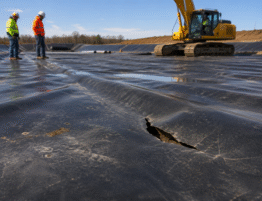
Geomembrane liners are designed to provide a reliable barrier between contained liquids, waste, process solutions, or contaminated materials and the surrounding environment. However, liner systems are exposed to many potential risks during manufacturing, transportation, installation, covering, and operation. Punctures, seam defects, tears, stress cracks, equipment damage, and subgrade irregularities can all create pathways for leakage.
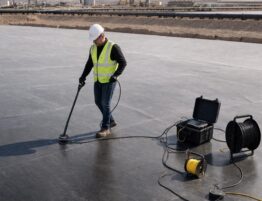
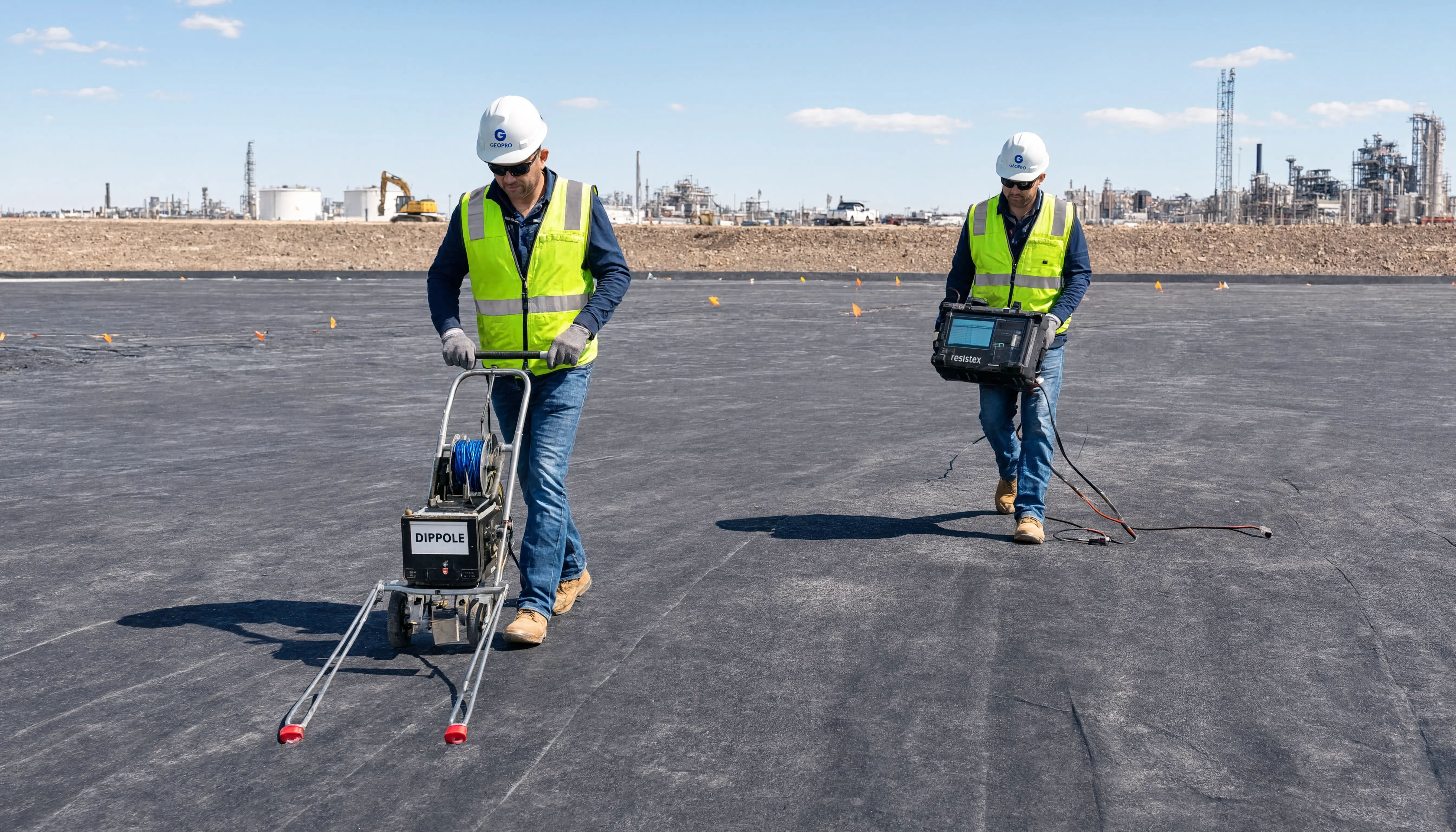
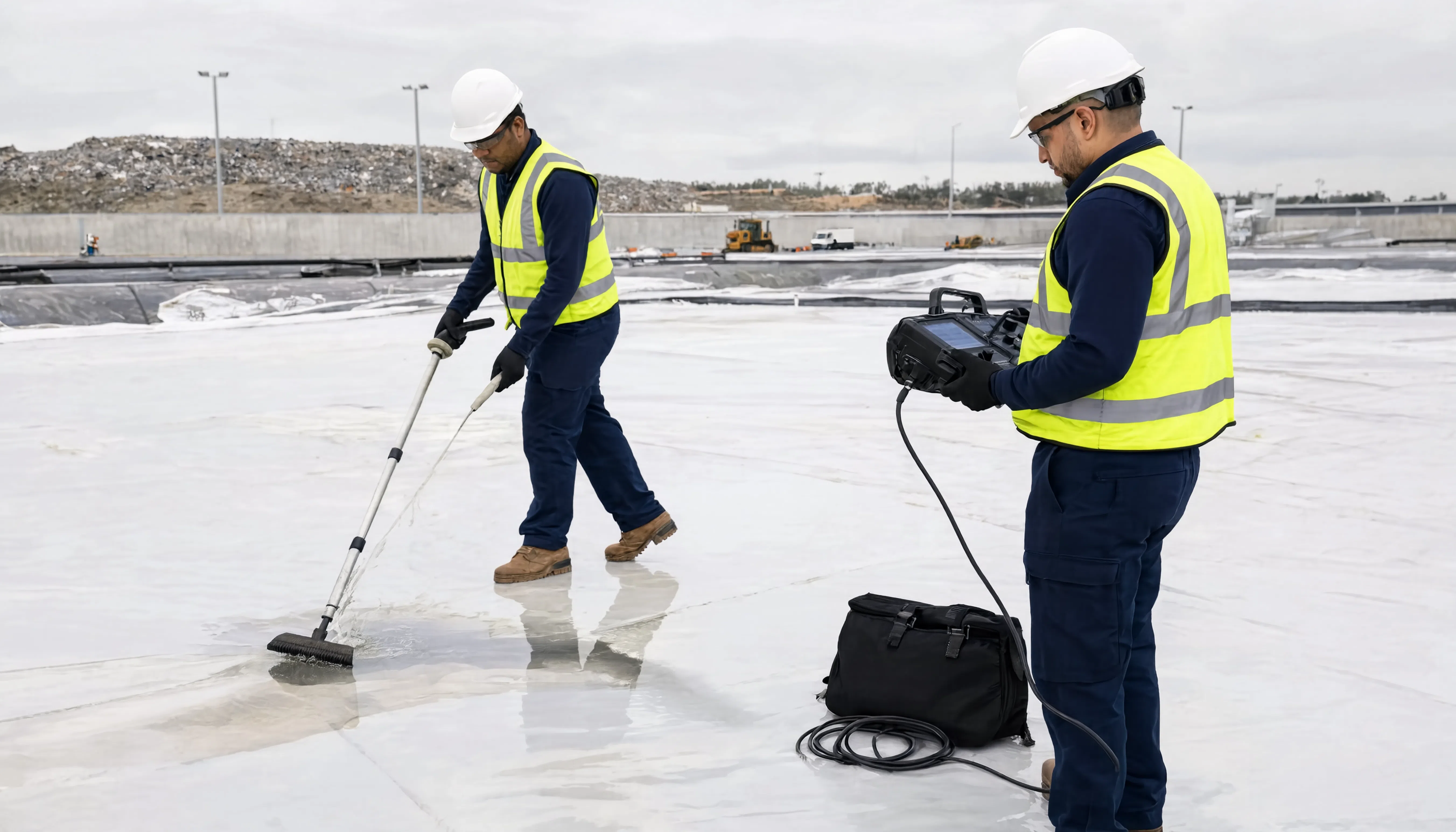
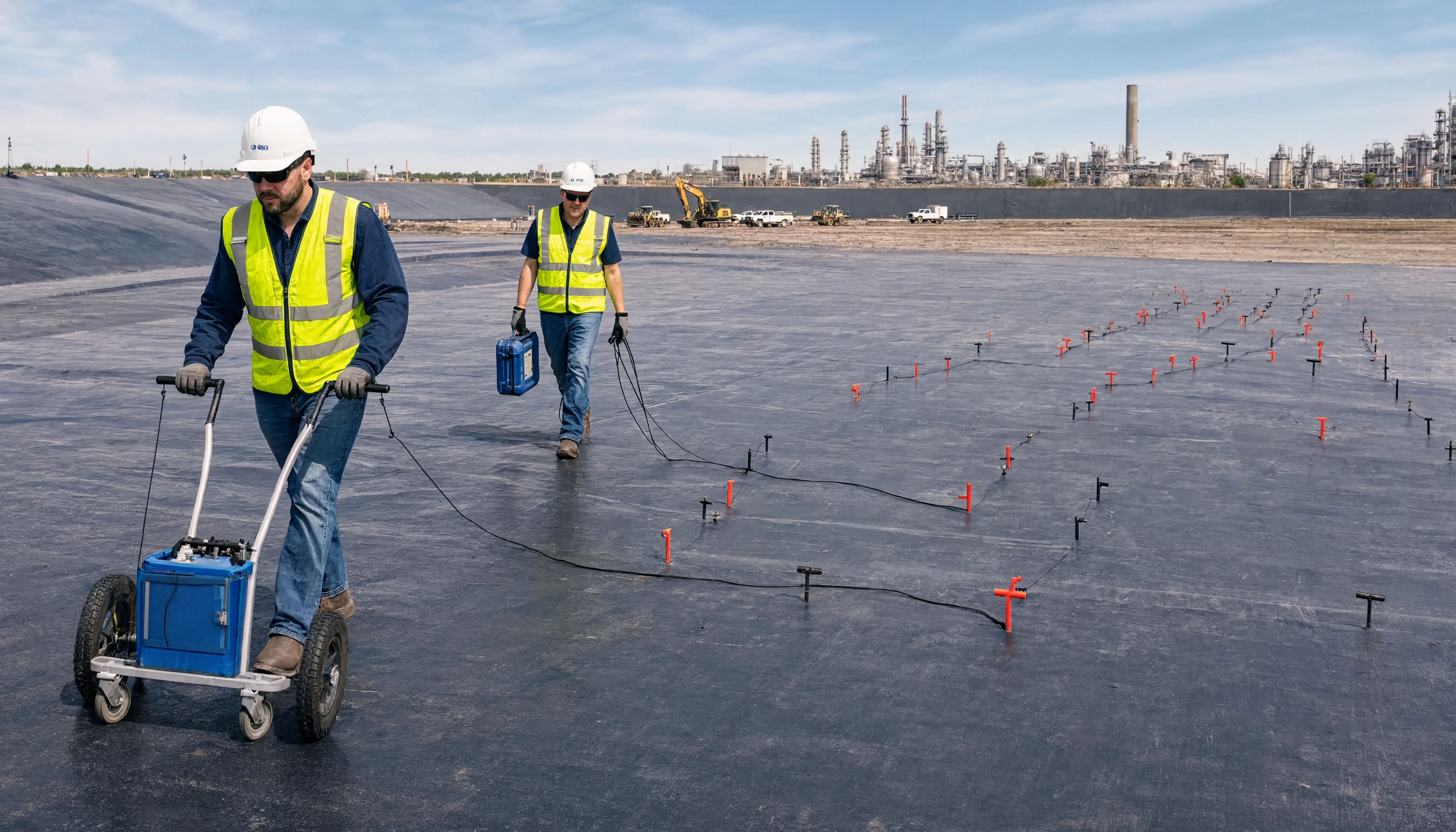
Electrical Leak Location Surveys help identify breaches in geomembranes by using electrical methods to locate discontinuities in the liner. These surveys are especially valuable because many leaks are not visible during standard inspections. A hole may be hidden beneath soil cover, water, waste, aggregate, or protective layers. In other cases, a defect may be too small to see but still large enough to allow seepage over time.
Performing leak location at the right time helps facility owners and operators:
- Verify installation quality
- Detect damage before the system is placed into service
- Reduce long-term repair costs
- Support regulatory compliance
- Prevent contamination of soil and groundwater
- Improve confidence in containment performance
- Document liner integrity for owners, engineers, and regulators
Before the Liner System Is Placed into Service
One of the most important times to perform a leak location survey before the liner system is in operation. At this stage, the geomembrane has typically been installed, seamed, inspected, and tested, but the facility has not yet been filled with liquids, waste, ore, or other materials.
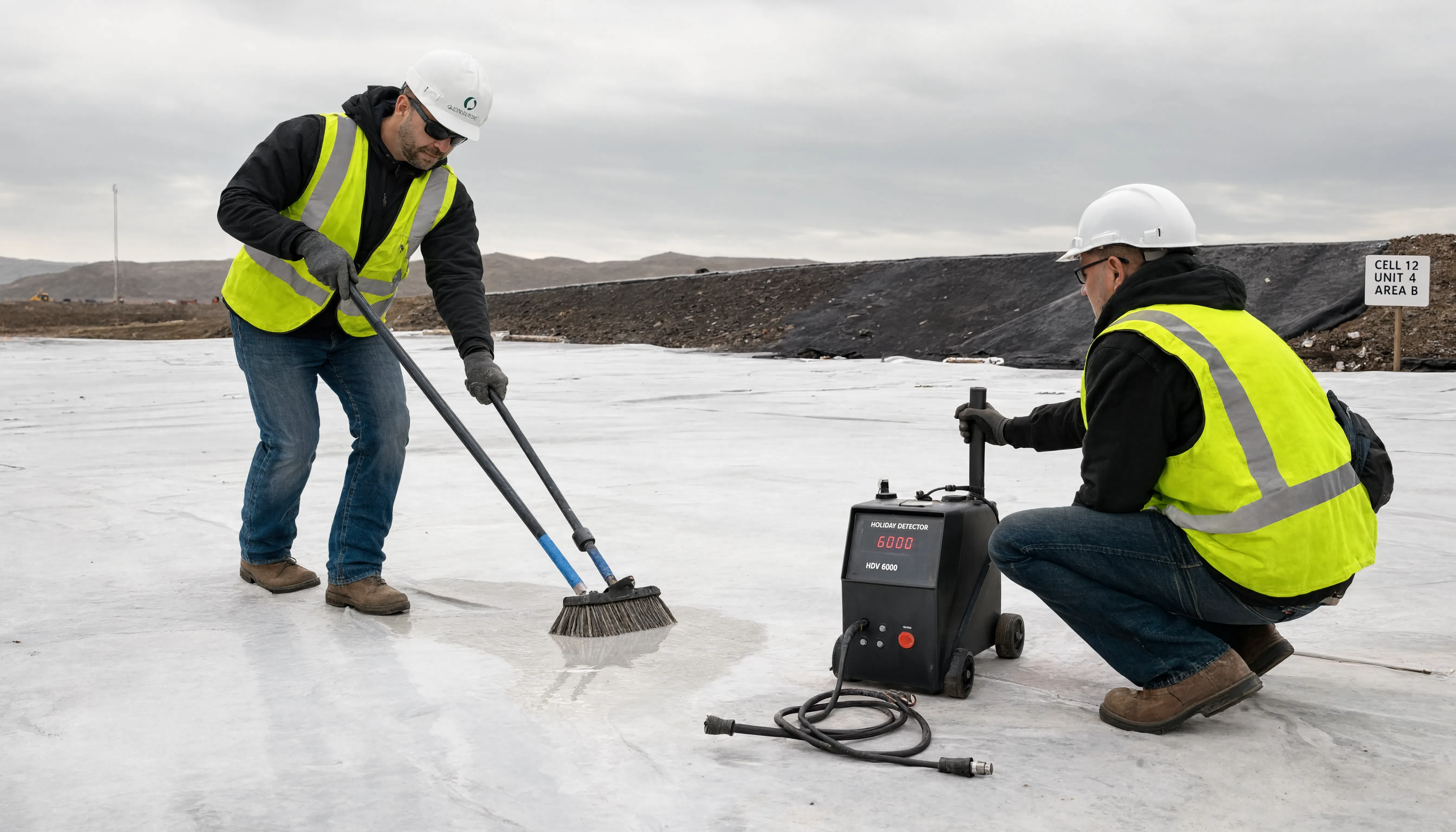
A pre-service Electrical Leak Location Survey provides an added level of quality assurance beyond visual inspection and conventional seam testing. While destructive and non-destructive seam tests are essential, they do not always identify damage that occurs away from seams. Punctures from tools, rocks, equipment, stakes, footwear, or construction debris can occur across the liner field.
Performing leak surveys before commissioning allows the project team to locate and repair damage while access is still available. This is often the most cost-effective time to correct defects because the liner is not yet buried under operational materials or submerged beneath large volumes of liquid.
After Liner Installation and Construction Activities
Leak detection should be considered after major construction activities are complete, especially when equipment, aggregate, drainage layers, soil cover, or protective materials have been placed over the geomembrane. Even when installers follow proper procedures, construction activity can create damage that is not obvious from the surface.
Common construction-related causes of liner damage include:
- Sharp stones or debris beneath or above the liner
- Heavy equipment traffic
- Dropped tools or materials
- Improper placement of cover soil
- Dragging panels, pipes, or geotextiles across the liner
- Damage around penetrations, sumps, anchors, or corners
- Stress on seams and transitions
A leak location survey after construction helps confirm that the completed liner system has not been compromised during installation or covering. This is particularly important for projects where the geomembrane will be covered and difficult to inspect later.
After Placement of Protective Cover or Drainage Materials
Many liner systems include protective cover layers, drainage media, geocomposites, sand, soil, or aggregate placed over the geomembrane. These layers are necessary for performance, but they can also make defects harder to find once the system is in use.
Performing an Electrical Leak Location Survey after cover placement can identify damage that occurred during covering activities. This is important because some defects are created specifically during this phase, not during the initial liner installation. For example, a liner may pass visual inspection while exposed, but then become punctured when drainage stone is placed over it.
Covered geomembrane surveys can be especially valuable for:
- Landfill cells
- Heap leach pads
- Process ponds
- Wastewater treatment lagoons
- Secondary containment systems
- Stormwater and industrial ponds
- Evaporation ponds
- Tailings storage facilities
When performed properly, leak detection can help verify that the covered liner still performs as intended before the system is fully loaded or placed into long-term operation.
During Construction Quality Assurance Programs
Leak detection is often integrated into a broader Construction Quality Assurance program. Engineers, owners, and regulators may require documentation that the liner system meets project specifications before approval or acceptance.
In this context, leak detection provides independent verification of a geomembrane’s quality of installation. The survey results can help support project closeout, regulatory submittals, and owner acceptance. It also gives stakeholders a clearer picture of whether the liner system was damaged during installation or construction.
For high-risk containment applications, leak detection should not be treated as optional. Facilities that store hazardous liquids, industrial wastewater, mining solutions, landfill leachate, or contaminated runoff face higher consequences if leakage occurs. In these applications, confirming a liners installation before operation is a responsible and often a necessary step.
When Regulatory Requirements Apply
Some facilities are required to perform leak location surveys based on regulatory permits, design specifications, environmental protection rules, or project-specific requirements. Requirements vary depending on the type of facility, location, containment material, and governing authority.
Even when leak detection is not explicitly required, it may still be recommended by engineers, consultants, owners, or insurers as a best practice. The cost of an Electrical Leak Location Survey is often small compared with the potential costs of environmental cleanup, regulatory penalties, operational delays, liner replacement, or reputational damage.
Facilities that may be subject to stricter oversight include:
- Municipal solid waste landfills
- Hazardous waste facilities
- Mining containment systems
- Industrial wastewater ponds
- Chemical processing containment areas
- Oil and gas containment systems
- Agricultural and manure lagoons
- Power generation and ash containment facilities
If a facility operates under a permit or environmental management plan, leak detection should be considered whenever a liner installation must be verified or documented.
After Suspected Damage or Unusual Conditions
Leak detection should also be performed whenever there is reason to suspect the liner system may have been damaged. Visible warning signs are not always present, but certain conditions should prompt immediate evaluation.
Potential indicators that leak detection may be needed include:
- Unexpected liquid loss
- Unexplained changes in pond level
- Elevated leakage rates in collection systems
- Wet spots or seepage outside containment areas
- Damage from storms, flooding, or erosion
- Equipment incidents on or near the liner
- Settlement, slope movement, or subgrade instability
- Animal activity, vegetation intrusion, or root damage
- Chemical or thermal exposure that may affect liner performance
In these situations, leak detection can help determine whether the liner contains one or more defects and where repairs should be focused. This can prevent unnecessary excavation or guesswork and help operators address the problem efficiently.
During Routine Maintenance and Periodic Inspections
Leak detection is not only for new installations or emergency situations. It can also be part of a routine liner maintenance program. Periodic surveys help confirm that a liner system continues to perform properly over time, especially in facilities with long service lives or high operational demands.
The frequency of routine leak detection depends on several factors, including:
- Facility type
- Age of the liner system
- Type and thickness of geomembrane
- Exposure conditions
- Chemical compatibility
- Operational loading
- History of previous leaks or repairs
- Regulatory requirements
- Consequences of leakage
Facilities with exposed geomembranes may require more frequent inspection because they are subject to ultraviolet exposure, weathering, wind uplift, temperature cycling, foot traffic, and operational wear. Covered systems may be protected from some surface exposure, but they can still be affected by settlement, puncture, installation defects, or long-term stress.
Before Expansions, Retrofits, or Major Repairs
Leak detection should be considered before and after major modifications to a lined facility. Expansions, tie-ins, retrofits, pipe penetrations, sump upgrades, anchor trench work, and liner repairs can all introduce new risks.
Before work begins, a survey may help document the existing condition of the liner system. After work is complete, another survey can confirm that the modifications did not create new leaks. This is particularly useful when new geomembrane sections are tied into older liner systems or when construction crews must work near existing containment areas.
Leak surveys can also help confirm repair effectiveness. After a defect has been patched or a seam has been repaired, a follow-up survey can verify that the repair area is performing as intended.
After Extreme Weather Events
Severe weather can place significant stress on liner systems. Heavy rainfall, flooding, freeze-thaw cycles, high winds, hail, extreme heat, and stormwater surges may damage exposed liners or create conditions that lead to settlement, erosion, or uplift.
After extreme weather, facility owners should evaluate whether a leak detection survey is appropriate. This is especially important if the event caused:
- Liner displacement
- Exposed subgrade
- Erosion of cover materials
- Floating or uplifted liner sections
- Damage to anchor trenches
- Debris impact
- Slope instability
- Abnormal liquid level changes
A timely survey after severe weather can help identify problems before they develop into larger containment failures.
Before Regulatory Inspections or Facility Audits
Leak location surveys may also be valuable before regulatory inspections, third-party audits, acquisition reviews, or operational due diligence. A current survey can provide documentation that the liner system has been evaluated using proven electrical leak location methods.
This documentation can support environmental reporting, asset management, and risk reduction efforts. For owners and operators, it demonstrates a proactive approach to containment. For consultants and engineers, it provides useful technical information that can guide maintenance, repair, and compliance decisions.
When the Cost of Failure Is High
The more serious the consequences of leakage, the stronger the case for proactive leak detection. Some liner systems protect sensitive groundwater, nearby surface waters, agricultural land, public infrastructure, or high-value process solutions. In these cases, a small leak can result in significant financial and environmental consequences.
Leak detection is especially important when a facility contains:
- Hazardous liquids
- Industrial wastewater
- Mining process solutions
- Landfill leachate
- Contaminated stormwater
- Chemical storage materials
- Potable or process water
- Valuable fluids or recoverable solutions
In high-risk environments, waiting until leakage is visible may be too late. Proactive surveys provide a practical way to reduce uncertainty and manage risk.
How Leak Location Surveys Support Better Decision-Making
Leak Location Surveys give facility owners and project teams actionable information. Rather than relying solely on visual observations or assumptions, survey results help identify specific leak locations so repairs can be completed more accurately.
The benefits of this approach include:
- Faster identification of defects
- Reduced unnecessary excavation
- Better repair planning
- Improved documentation
- Stronger quality assurance
- Greater confidence in liner system performance
For new construction, leak detection helps verify that the system is ready for service. For operating facilities, it helps identify defects that may be affecting performance. For aging systems, it provides insight into whether repairs, upgrades, or replacements may be needed.
Best Times to Schedule Leak Location
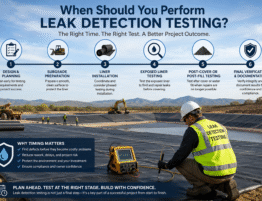
While every project is different, the best times to schedule leak detection generally include:
- After geomembrane installation and before operation
- After cover soil, drainage media, or protective layers are placed
- Before filling a pond, cell, basin, or containment area
- After suspected damage or abnormal leakage readings
- After severe weather or operational incidents
- During scheduled maintenance periods
- Before and after major repairs or modifications
- As part of regulatory compliance or construction quality assurance
Planning ahead is important. Leak detection is most effective when the liner system is prepared properly, and the survey method matches the site conditions. Early coordination with an experienced leak location provider can help ensure that the survey is performed efficiently and accurately.
FAQ
What is leak location for a liner system?
Leak location is the process of identifying holes, punctures, tears, seam defects, or other breaches in a geomembrane liner. Electrical Leak Location Surveys use electrical methods to locate defects that may not be visible during standard inspection.
When is the best time to perform a leak location survey?
The best time is typically after liner installation and before the system is placed into service. It may also be needed after cover placement, suspected damage, severe weather, repairs, or as part of routine maintenance.
Is visual inspection enough to confirm liner completeness?
Visual inspection is important, but it is not always enough. Small punctures, hidden defects, and covered damage can be difficult or impossible to see. Electrical leak location provides an added level of verification.
Can leak location survey be performed on covered geomembranes?
Yes. Depending on site conditions and survey method, Electrical Leak Location Surveys can be performed on many covered geomembrane systems, including those beneath soil, water, or drainage materials.
How often should liner systems be surveyed?
Survey frequency depends on the facility type, liner age, operating conditions, regulatory requirements, and consequences of leakage. High-risk or heavily used systems may benefit from periodic surveys as part of a maintenance program.
What types of facilities need liner leak location?
Leak detection is commonly used for landfills, mining facilities, wastewater ponds, industrial containment systems, evaporation ponds, process water ponds, secondary containment areas, and other geomembrane-lined structures.
Can leak location help reduce repair costs?
Yes. By identifying the specific location of defects, leak detection can reduce guesswork, limit unnecessary excavation, and help repair crews address problems more efficiently.
Should leak detection be performed after repairs?
Yes. A follow-up survey can help confirm that repairs were successful and that no additional defects were created during the repair process.
Partner with Leak Location Services, Inc.
Knowing when to perform leak detection can make the difference between a reliable containment system and a costly environmental or operational problem. Leak Location Services, Inc. provides professional Electrical Leak Location Surveys of Geomembranes for clients around the world. With more than 33 years of experience, our international team delivers first-class survey services for landfills, mining operations, wastewater facilities, industrial containment systems, and other geomembrane-lined projects.
To protect your liner system, verify installation quality, and reduce long-term risk, contact us today. Learn more about our Electrical Leak Location Survey services and how we can support your next project.