A geomembrane leak can have serious and far-reaching consequences if it goes undetected. These engineered liners are designed to provide critical containment for liquids and gases in applications such as landfills, mining operations, wastewater treatment facilities, and industrial containment systems. When a breach occurs, even a small one, it can compromise the entire system. Understanding the risks, consequences, and long-term implications of an undetected leak is essential for facility owners, operators, and environmental managers.
The Role of Geomembranes in Containment Systems
Geomembranes serve as impermeable barriers that prevent contaminants from escaping into the surrounding soil and groundwater. They are typically made from synthetic polymeric materials, such as High-Density Polyethylene (HDPE), Linear Low-Density Polyethylene (LLDPE), polyvinyl chloride (PVC) or other synthetic compounds engineered for durability and chemical resistance.
Their primary functions include:
- Preventing environmental contamination
- Protecting groundwater resources
- Containing valuable resources
- Maintaining regulatory compliance
- Supporting operational efficiency
Because these leaks are often buried or submerged, they are not always visible. This makes early detection and routine inspection essential.
How Geomembrane Leaks Occur
Leaks can develop at any stage of a geomembrane’s lifecycle, from installation to long-term operation. Common causes include:
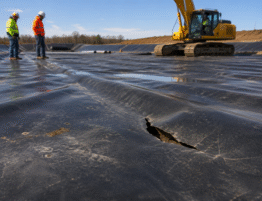
- Installation damage such as punctures or seam defects
- Stress cracking due to environmental conditions
- Material degradation from UV exposure or chemical interaction
- Mechanical damage from heavy equipment
- Poor subgrade preparation leading to liner stress
Even a small defect can grow over time, especially under pressure or exposure to aggressive chemicals.
Immediate Consequences of an Undetected Leak
When a geomembrane leak goes unnoticed, the containment system begins to fail at its most fundamental level. The immediate consequences may not always be visible, but they can escalate quickly.
Environmental Contamination
One of the most significant risks is the release of hazardous substances into the surrounding environment. Depending on the application, this may include:
- Leachate from landfills
- Toxic mining byproducts
- Industrial chemicals
- Wastewater containing harmful pollutants
These contaminants can infiltrate soil and groundwater, leading to widespread environmental damage.
Loss of Containment Reliability
A leak compromises the entire containment system. Fluids can escape while external elements such as groundwater can enter, disrupting system balance and performance.
Operational Disruptions
Undetected leaks can lead to inefficiencies such as:
- Loss of stored materials
- Reduced system performance
- Increased maintenance requirements
Over time, these disruptions can impact productivity and profitability.
Long-Term Impacts of Undetected Geomembrane Leaks
The longer a leak remains undetected, the more severe the consequences become. Long-term impacts often extend beyond the immediate site and can involve regulatory, financial, and reputational risks.
Groundwater Pollution
Contaminants that reach groundwater can spread far beyond the original site. This creates significant challenges for remediation and may affect drinking water sources, agriculture, and ecosystems.
Regulatory Violations and Fines
Environmental regulations are strict when it comes to containment systems. Failure to detect and address leaks can result in:
- Heavy fines and penalties
- Legal action
- Mandatory shutdowns or remediation orders
Compliance is not optional, and undetected leaks can quickly lead to costly consequences.
Expensive Remediation Efforts
Cleaning up environmental contamination is complex and expensive. Remediation may involve:
- Soil excavation and replacement
- Groundwater treatment systems
- Long-term monitoring programs
Costs can escalate into millions of dollars depending on the severity of the contamination.
Damage to Reputation
For companies operating in regulated industries, environmental incidents can damage credibility and trust. Stakeholders, investors, and the public may lose confidence in an organization’s ability to manage risks responsibly.
Why Small Leaks Are a Big Problem
It is a common misconception that only large leaks pose serious risks. In reality, even small leaks can have significant consequences over time.
- A small hole can release thousands of gallons of liquid annually
- Slow leaks are harder to detect without specialized methods
- Contamination can accumulate gradually, making it harder to trace the source
Because geomembranes are designed to be impermeable, any breach, regardless of size, undermines the system’s purpose.
The Importance of Early Detection
Detecting leaks early is the most effective way to prevent long-term damage. Early detection allows for targeted repairs before contamination spreads or system performance declines.
Benefits of Early Leak Detection
- Minimizes environmental impact
- Conserves valuable resources
- Reduces repair costs
- Maintains regulatory compliance
- Extends the lifespan of the geomembrane system
Proactive monitoring is far more cost-effective than reactive remediation.
Methods for Detecting Geomembrane Leaks
Modern technology has made it possible to detect leaks with high precision. Leak Location Surveys are among the most effective methods available.
Leak Location Surveys
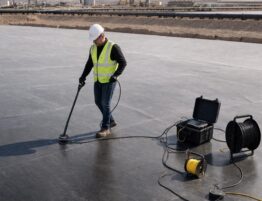
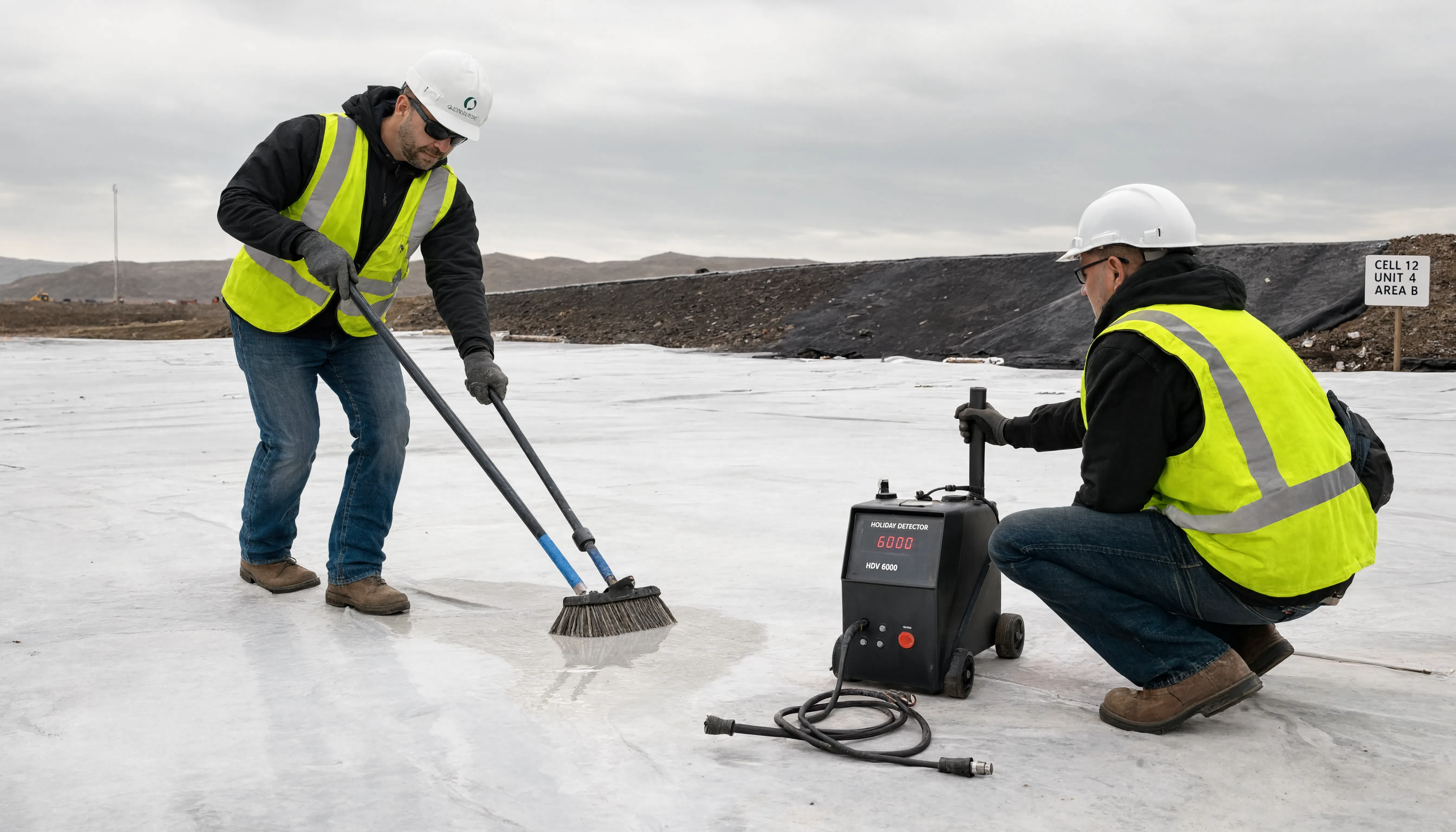
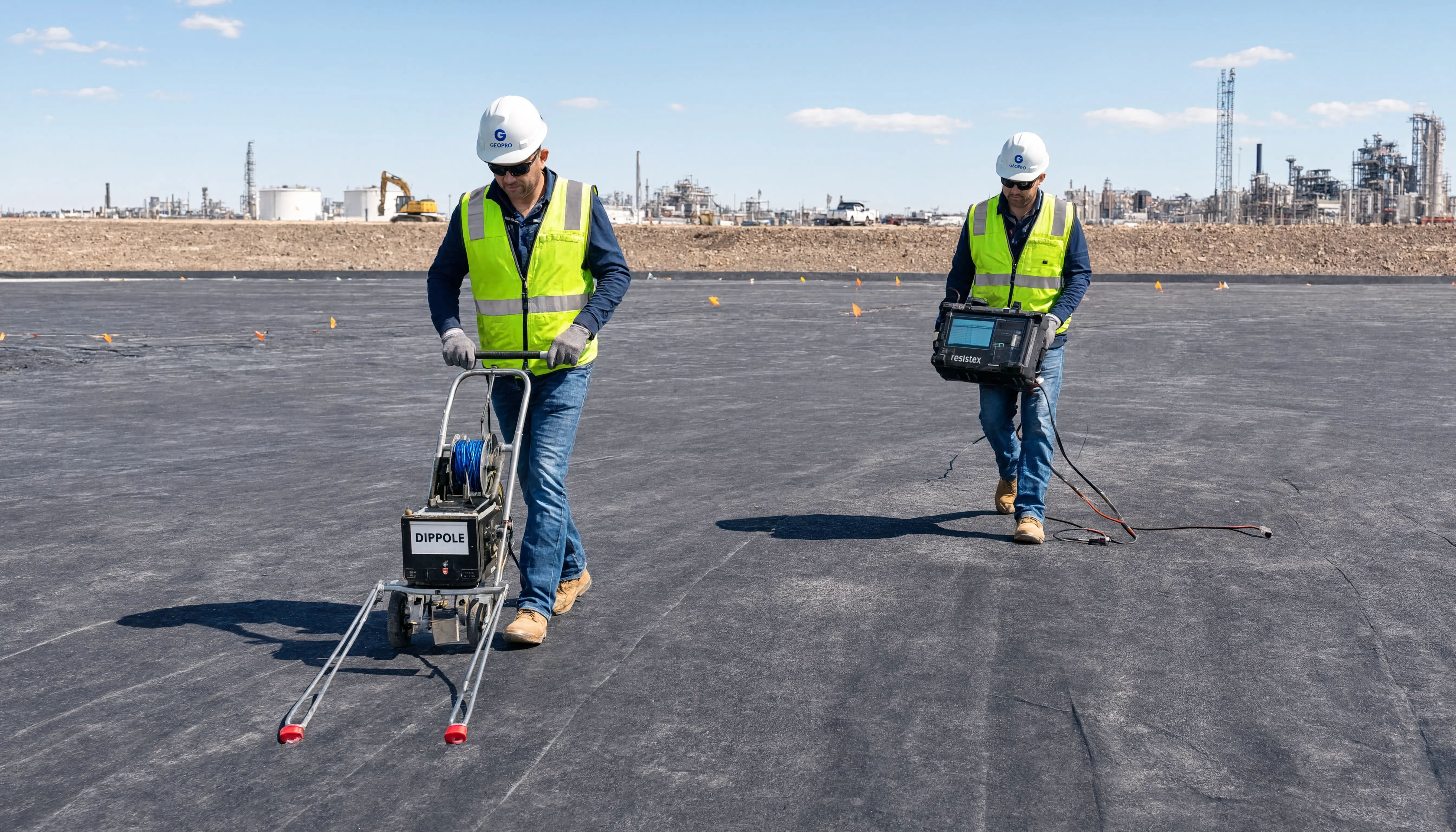
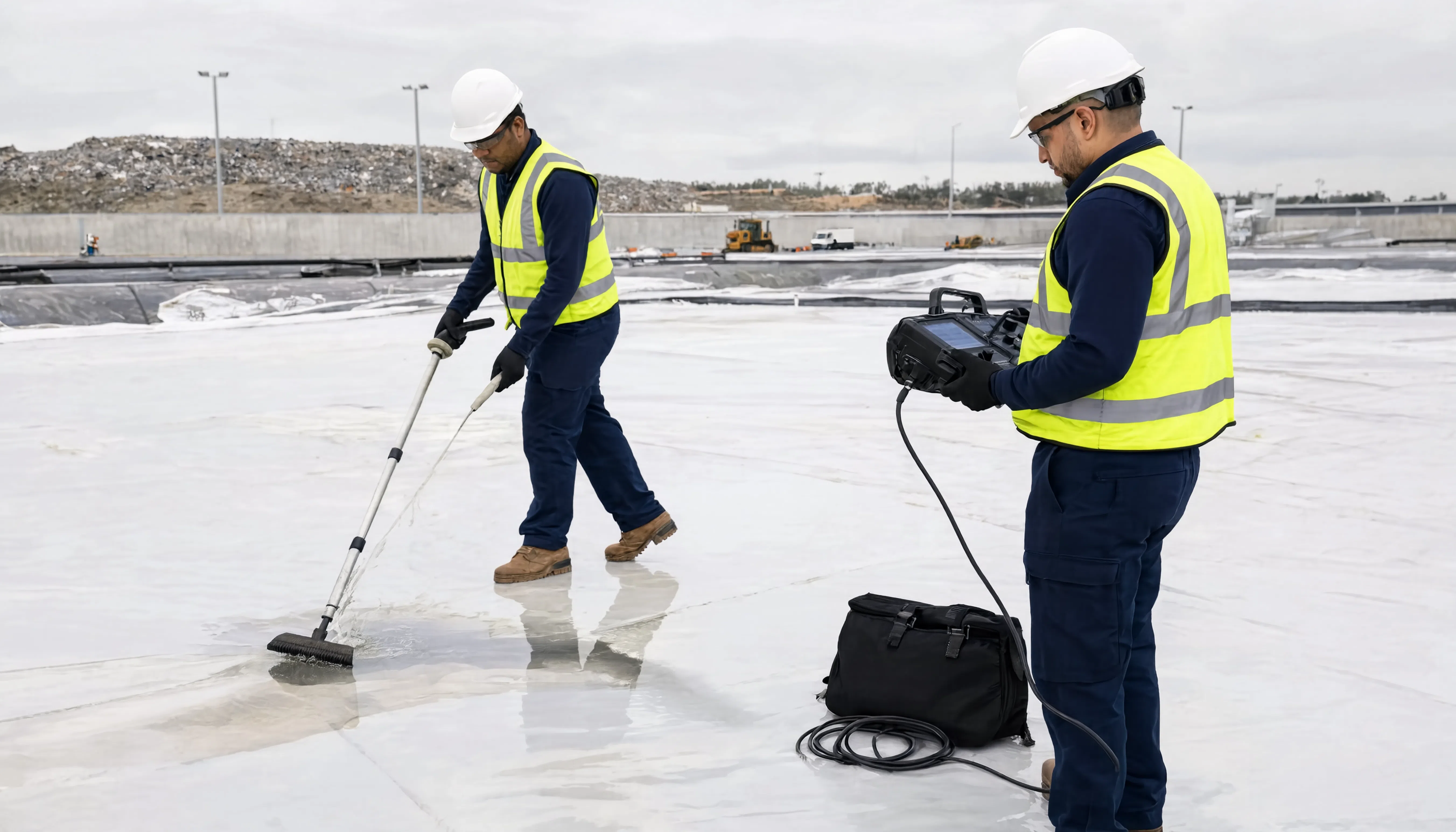
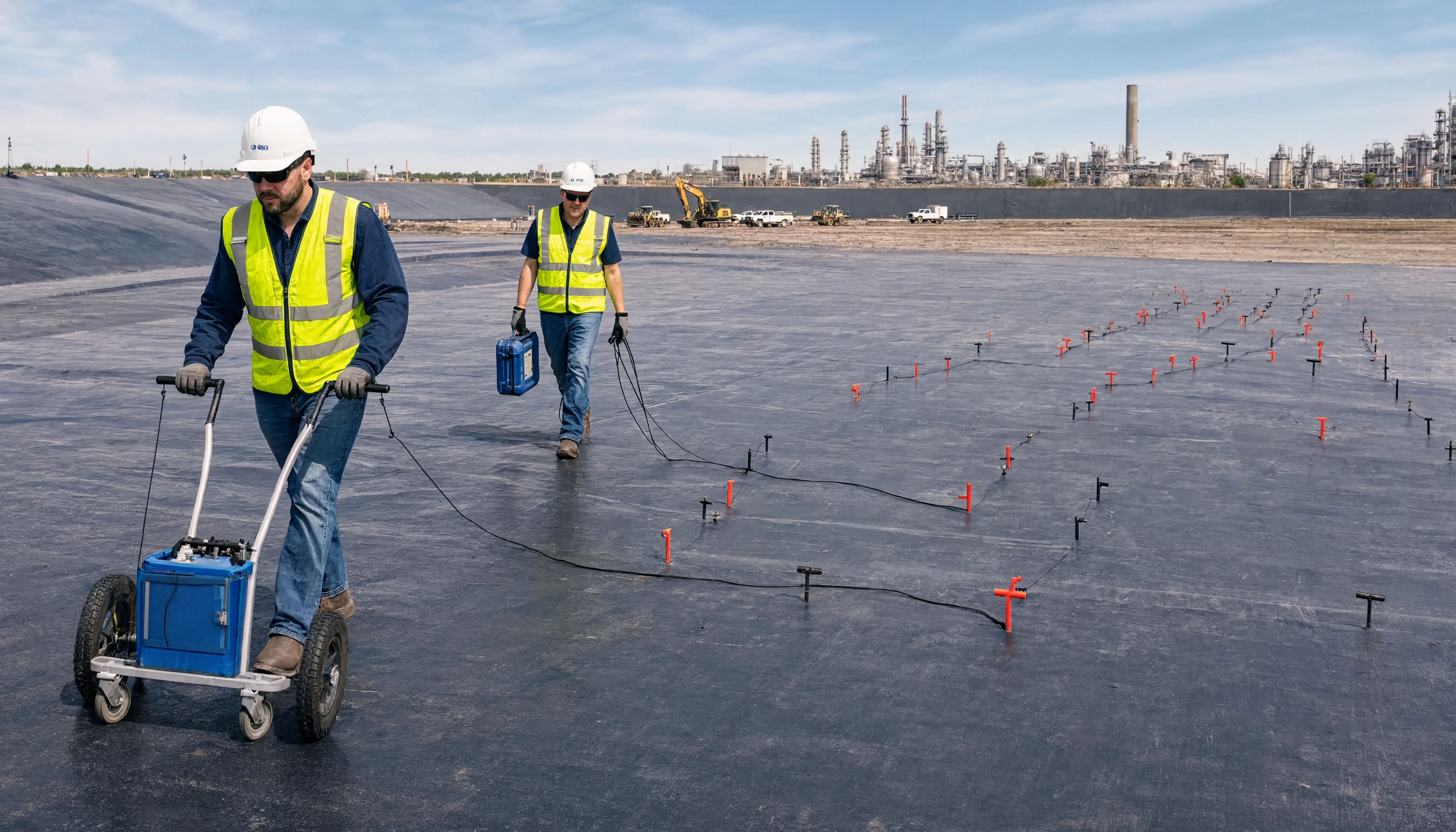
This technique uses electrical conductivity to identify breaches in the geomembrane. Because geomembranes are non-conductive, any defect allows current to pass through, pinpointing the exact location of the leak.
Key advantages include:
- High accuracy in identifying even small leaks
- Non-destructive testing methods
- Applicability to both exposed and covered geomembranes
- Ability to survey large areas efficiently
Other Detection Methods
While electrical methods are widely preferred, other techniques may include:
- Visual inspections
- Dye testing
- Water Balance testing
However, these methods often lack the precision and reliability needed for comprehensive leak detection.
Industries Most at Risk
Geomembrane leaks can affect a wide range of industries, particularly those involving the containment of hazardous materials.
Common Applications
- Landfills and waste containment facilities
- Mining operations and heap leach pads
- Wastewater treatment plants
- Oil and gas containment systems
- Agricultural lagoons
In each of these applications, the consequences of an undetected leak can be severe.
Preventative Measures to Avoid Undetected Leaks
Preventing leaks and ensuring early detection requires a combination of proper design, installation, and ongoing monitoring.
Best Practices
- Conduct quality assurance during installation
- Use experienced professionals for liner deployment
- Perform routine inspections and testing
- Implement regular Leak Location Surveys
- Maintain detailed records of system performance
A proactive approach reduces risk and ensures long-term system reliability.
The Cost of Doing Nothing
Ignoring the possibility of a geomembrane leak is a costly gamble. While inspections and surveys require an upfront investment, the cost of inaction is far greater.
Potential costs include:
- Environmental cleanup expenses
- Regulatory fines and legal fees
- Operational downtime
- Replacement of damaged systems
In most cases, early detection and repair are significantly more affordable than dealing with the aftermath of a major failure.
FAQ: Geomembrane Leaks
What is a geomembrane leak?
A geomembrane leak is a breach or defect in a synthetic liner that allows liquids or gases to pass through, compromising containment.
How can a geomembrane leak be detected?
The most effective method is are Leak Location Surveys, which identifies breaches by detecting electrical current flow through defects.
Are small leaks really a concern?
Yes. Even small leaks can release large volumes of contaminants over time and lead to significant environmental and financial damage.
How often should geomembranes be tested?
Testing frequency depends on the application, but routine inspections and periodic surveys are recommended to ensure system reliability.
What industries benefit from leak location services?
Industries such as waste management, mining, wastewater treatment, and oil and gas all benefit from professional leak location services.
Can leaks be repaired once detected?
Yes. Once a leak is accurately located, targeted repairs can be made to restore the integrity of the geomembrane.
Protect Your Investment with Expert Leak Location
Undetected geomembrane leaks pose serious risks that can impact the environment, regulatory compliance, and your bottom line. Proactive detection is not just the best practice. It is a necessity.
Leak Location Services, Inc. is a global leader in Electrical Leak Location Surveys of geomembranes. With over 33 years of experience, we deliver precise, reliable, and first-class survey solutions to clients worldwide. Our expertise ensures that even the smallest defects are identified and addressed before they become costly problems.
If you are responsible for a containment system, now is the time to act. Contact us to learn more about how we can help protect your geomembrane systems and safeguard your operations.