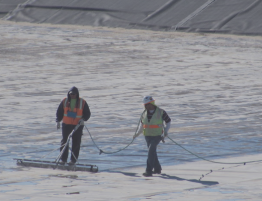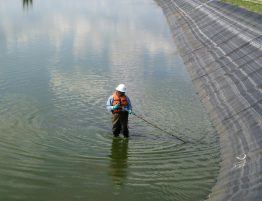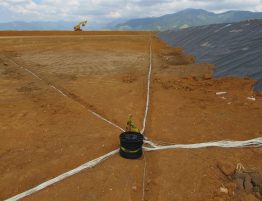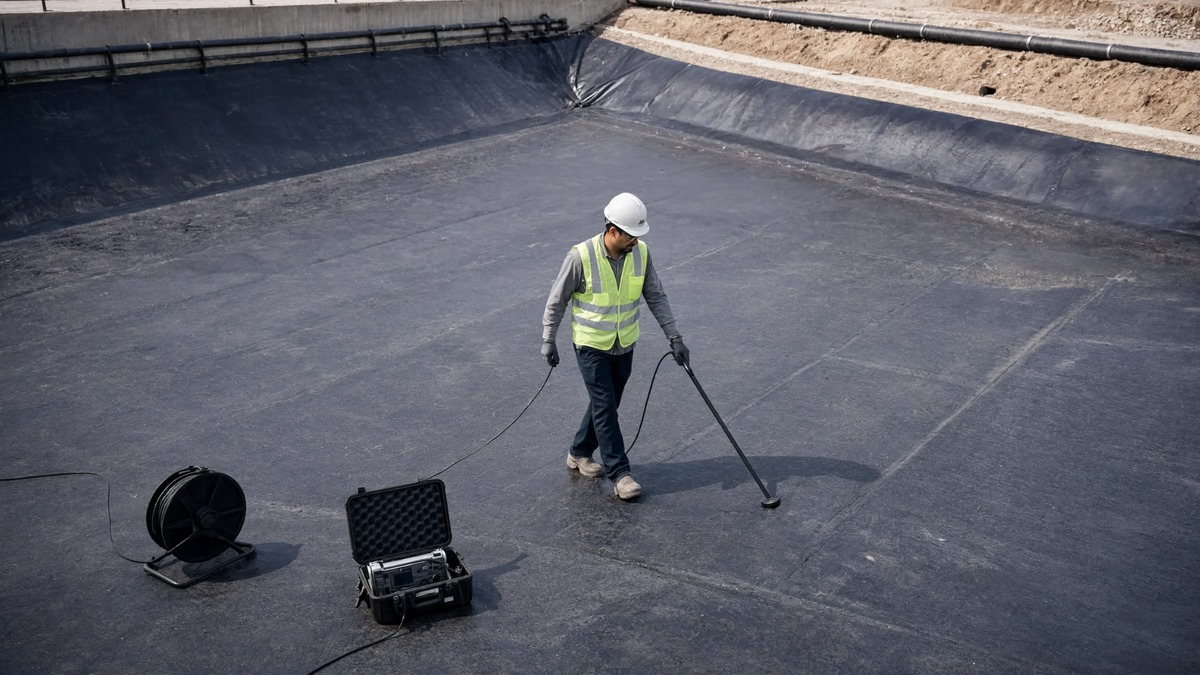
Weather conditions can play a significant role in the accuracy, efficiency, and interpretation of geomembrane leak detection testing. Understanding the weather impact on leak detection is especially important when Electrical Leak Location surveys are performed on exposed geomembranes, lined containment systems, ponds, reservoirs, landfills, and other installations subject to changing environmental conditions. Temperature, precipitation, humidity, wind, and surface moisture can all influence how testing is conducted and how electrical signals behave. Recognizing these variables allows project teams to plan surveys more effectively, minimize disruptions, and obtain dependable information about defects, imperfections, and holes within a geomembrane system.
Why Weather Matters During Leak Detection Testing
Electrical Leak Location methods rely on electrical principles to identify pathways through holes, defects, or other imperfections in geomembranes. Depending on the testing method and site configuration, moisture and electrical conductivity may be essential components of the survey.
Because weather directly influences moisture levels, surface conditions, temperatures, and site accessibility, changing conditions can affect both testing procedures and results.
Weather does not necessarily prevent accurate testing. Experienced leak detection professionals understand how to evaluate current conditions and adjust testing procedures accordingly. However, certain environmental circumstances can make surveys more difficult, require additional preparation, or temporarily limit which testing method is appropriate.
The Effect of Rain on Leak Detection Surveys
Rain is one of the most obvious weather factors affecting geomembrane testing. Its influence can vary considerably depending on the type of Electrical Leak Location method being used.
Some testing techniques require moisture because water helps conduct electrical current through holes or defects in the geomembrane. Under certain conditions, moderate moisture can therefore support the testing process.
Excessive rainfall, however, may create additional challenges.
Heavy rain can:
- Create standing water across the geomembrane surface
- Make certain areas difficult to access safely
- Increase electrical conductivity beyond ideal testing conditions
- Cause runoff that changes surface moisture distribution
- Make it more difficult to isolate individual electrical responses
- Interrupt equipment setup or survey operations
- Create muddy or unstable working conditions around the lined area
The effect depends heavily on the testing method, geomembrane configuration, and overall site conditions.
Professional technicians evaluate rainfall and moisture before determining whether testing should continue, be modified, or temporarily postponed.
How Surface Moisture Influences Electrical Testing
Electrical Leak Location Surveys commonly depend on establishing an electrical pathway between the material above the geomembrane and the conductive material beneath it.
If a hole is present, electricity can travel through that opening, producing a detectable signal.
Moisture often assists with conductivity. However, moisture must be distributed in a way that supports the specific testing method.
Extremely dry surfaces may present challenges because insufficient conductivity can make certain electrical testing techniques less effective. In those situations, technicians may need to introduce moisture to the survey area before beginning the inspection.
Conversely, excessive water may alter how electrical signals travel.
The goal is not simply to have a wet or dry surface. The objective is to create conditions that allow technicians to distinguish electrical responses associated with actual holes, defects, or imperfections.
Temperature Can Affect Testing Conditions
Temperature can influence both geomembrane materials and testing environments.
Geomembranes expand and contract as temperatures change. A liner exposed to strong sunlight during the afternoon may behave differently than the same liner during the cooler morning hours.
High temperatures may cause:
- Thermal expansion of geomembrane materials
- Wrinkles or changes in liner positioning
- Increased surface temperatures that affect worker safety
- Faster evaporation of moisture needed for some testing methods
Cold temperatures can create their own challenges.
Low temperatures may:
- Make certain geomembranes less flexible
- Allow frost or ice to develop
- Change moisture distribution across the surface
- Create unsafe walking conditions
- Affect equipment operation depending on environmental extremes
Temperature alone does not automatically make testing inaccurate. Instead, technicians must account for its effect on both the liner and the surrounding conditions.
Extreme Heat and Rapid Evaporation
Hot, dry weather can quickly remove surface moisture.
This can be particularly important when a testing method relies on moisture to establish electrical conductivity. Water applied to the survey area may evaporate quickly under direct sunlight, especially on dark geomembranes that absorb significant heat.
Technicians may need to monitor moisture levels continuously and reapply water where necessary.
Extreme heat can also increase the difficulty of working on exposed geomembranes. Surface temperatures can become substantially higher than the surrounding air temperature, requiring careful planning for worker safety and equipment placement.
Scheduling surveys earlier in the morning may sometimes help reduce the effects of intense afternoon heat.
Cold Weather, Frost, and Ice
Cold environments require additional consideration.
Frost can introduce uneven moisture conditions across a geomembrane. Ice can interfere with electrical contact and create significant safety concerns for personnel walking across the liner.
Frozen water may also prevent moisture from behaving as expected during certain Electrical Leak Location methods.
When temperatures fall below freezing, technicians must evaluate whether the testing environment allows the chosen survey method to function properly.
Waiting until frost or ice has melted may sometimes be necessary before a survey can proceed effectively.
The Influence of Wind
Wind may appear less important than rain or temperature, but it can still affect leak detection operations.
Strong wind can accelerate evaporation, making it more difficult to maintain consistent surface moisture. It can also move dust, debris, and loose materials across exposed geomembranes.
On construction sites, high winds may create additional concerns involving unsecured materials or partially installed liner sections.
Wind can also complicate the movement of testing equipment and increase safety risks for technicians.
Possible wind-related challenges include:
- Rapid drying of wetted testing areas
- Movement of lightweight equipment or materials
- Dust accumulation on exposed geomembranes
- Difficulty communicating across large survey areas
- Increased worker safety concerns
Experienced survey teams consider wind conditions as part of overall site preparation rather than viewing them as an isolated factor.
Humidity and Environmental Moisture
Humidity influences how quickly moisture evaporates from geomembrane surfaces.
High humidity can slow evaporation, helping wetted surfaces remain conductive for longer periods. Low humidity, especially when combined with heat and wind, can cause water to evaporate much faster.
This matters when technicians need consistent moisture levels across a large survey area.
Environmental moisture can also accumulate through dew or condensation. Early morning surveys may encounter moisture that was not present the previous afternoon.
Technicians must therefore inspect actual surface conditions rather than relying solely on weather forecasts.
How Weather Can Affect Different Leak Detection Methods
Not every Electrical Leak Location method responds to weather in exactly the same way.
The appropriate approach depends on factors such as:
- Whether the geomembrane is exposed or covered
- The type of geomembrane material
- The construction stage
- Surface moisture conditions
- Conductivity beneath the liner
- The presence of water, soil, or other material above the liner
- Project specifications
- Accessibility of the survey area
Some methods are specifically designed for exposed geomembranes, while others may be used after material has been placed over the liner.
Because environmental conditions affect each method differently, survey planning should always consider both the construction configuration and expected weather.
Weather Conditions Can Affect Site Preparation
Reliable testing begins before technicians start collecting survey data.
Site preparation may need to change based on weather conditions.
For example, crews may need to:
- Remove standing water
- Add moisture to extremely dry surfaces
- Clear windblown debris
- Allow frost to melt
- Wait for unsafe surfaces to dry
- Adjust equipment positioning
- Modify the survey sequence
- Coordinate testing around anticipated storms
These adjustments help create more consistent testing conditions.
Proper planning can also reduce unnecessary project delays. Reviewing weather forecasts in advance allows contractors and survey technicians to coordinate their work around expected conditions whenever possible.
Distinguishing Weather Effects From Actual Leak Signals
One of the most important responsibilities of an experienced Electrical Leak Location technician is distinguishing between environmental influences and signals associated with actual defects or holes.
Electrical responses can vary depending on surface moisture, grounding conditions, construction materials, and other site-specific factors.
Technicians evaluate patterns rather than simply reacting to every electrical variation.
When a suspicious response is identified, additional testing may be performed to confirm the location before marking the area for inspection or repair.
Professional interpretation is especially important when weather conditions are changing throughout the survey.
Why Consistent Conditions Are Valuable
Whenever possible, maintaining relatively consistent conditions throughout a survey can make testing more efficient.
If one section of a geomembrane is extremely wet while another is nearly dry, technicians may need to adjust testing procedures as they move through the site.
Consistency helps technicians maintain predictable electrical conditions and identify unusual responses more effectively.
This is why preparation often includes controlling moisture levels rather than simply accepting whatever conditions exist naturally.
Should Leak Detection Testing Be Delayed Because of Weather?
Not necessarily.
Many weather conditions can be managed through proper preparation and experienced field procedures. A professional survey team can often adapt to normal changes in temperature, moisture, and wind.
However, testing may need to be delayed when conditions create safety concerns or prevent the testing method from operating as intended.
Potential reasons for postponement may include:
- Severe thunderstorms
- Dangerous lightning
- Heavy rainfall
- Flooding
- Extreme wind
- Ice-covered working surfaces
- Unsafe temperatures
- Conditions that prevent required electrical conductivity
The decision should be based on the specific testing method, project requirements, and actual conditions at the site.
Weather Planning Can Improve Survey Efficiency
Weather monitoring should be part of the survey planning process, particularly for large projects or sites in regions with rapidly changing conditions.
Project managers can help by coordinating testing schedules with liner installation, placement of cover materials, and weather forecasts.
Useful preparation may include:
- Reviewing forecasts several days before testing
- Providing access to water when surface wetting may be required
- Ensuring drainage systems can remove excess water
- Keeping survey areas clear of unnecessary equipment and materials
- Maintaining communication between installers, contractors, and survey technicians
- Allowing sufficient time for testing before subsequent construction activities begin
Good coordination helps minimize interruptions and supports thorough inspection.
Experienced Survey Technicians Make a Difference
Weather conditions are only one part of Electrical Leak Location testing.
Geomembrane type, construction conditions, subgrade characteristics, electrical grounding, surface materials, and installation details can also influence survey procedures.
Experienced technicians understand how these variables interact.
Rather than applying exactly the same procedure to every project, qualified survey professionals evaluate the individual site and select appropriate testing practices.
That expertise becomes particularly important when environmental conditions are less than ideal.
Frequently Asked Questions
Can leak detection testing be performed in the rain?
In some situations, yes. Light or moderate rain may not prevent Electrical Leak Location testing, depending on the survey method. Heavy rain, standing water, lightning, or unsafe working conditions may require testing to be postponed.
Does the geomembrane need to be wet for leak detection testing?
Some Electrical Leak Location methods require moisture to create electrical conductivity across the survey area. Requirements vary according to the testing method and site configuration.
Can very dry weather affect testing?
Yes. Extremely dry conditions can reduce electrical conductivity for certain testing methods. Technicians may need to apply water to the survey surface before or during testing.
Does hot weather make holes harder to find?
Heat does not automatically prevent holes from being detected, but high temperatures can increase evaporation and change surface conditions. Technicians may need to maintain moisture levels throughout the survey.
Can testing be performed in freezing weather?
It depends on site conditions and the testing method. Frost and ice may interfere with electrical conductivity and create unsafe walking surfaces. Testing may need to wait until appropriate conditions return.
Does wind affect Electrical Leak Location Surveys?
Strong wind can accelerate evaporation, move debris across the geomembrane, and create safety concerns. Technicians may need to adjust survey procedures during windy conditions.
Can weather cause false leak indications?
Changing environmental conditions can influence electrical responses, which is why experienced technicians carefully interpret survey data and confirm suspicious locations before identifying defects or holes.
Should contractors check the forecast before scheduling testing?
Yes. Reviewing expected rainfall, temperature, wind, and other conditions can improve scheduling and reduce the likelihood of unnecessary interruptions.
What happens if the weather changes during a survey?
Technicians evaluate whether conditions continue to support reliable testing. They may adjust moisture levels, modify procedures, pause temporarily, or reschedule portions of the survey if necessary.
Schedule Electrical Leak Location Surveys With Leak Location Services, Inc.
Weather can influence every stage of geomembrane leak detection testing, from site preparation and surface conductivity to equipment use and interpretation of electrical responses. Understanding these environmental factors helps project teams create better testing conditions and improve the identification of defects, imperfections, and holes before they become larger concerns.
We are an international company specializing in Electrical Leak Location Surveys of Geomembranes. With more than 33 years of experience, we provide first-class survey services for clients around the world. Our extensive field experience allows us to evaluate site conditions, account for environmental variables, and apply proven Electrical Leak Location techniques to a wide variety of geomembrane applications.
If your project requires reliable geomembrane leak detection testing, contact us to discuss your site, testing requirements, and survey schedule. Our experienced team is ready to help you locate defects, imperfections, and holes and provide the professional survey support your project requires.