When it comes to protecting containment systems and ensuring long-term performance, understanding pre-cover leak testing vs. post-cover methods is essential. Both approaches play a critical role in identifying defects in geomembranes, yet they differ significantly in timing, methodology, and application. Choosing the right testing strategy can mean the difference between early issue detection and costly repairs down the line. For engineers, project managers, and facility owners, knowing when and how to apply each method is key to maintaining environmental compliance and operational efficiency.
Understanding Geomembrane Leak Location Surveys
Geomembranes are widely used in applications such as landfills, mining operations, wastewater treatment facilities, and containment ponds. Their purpose is to act as impermeable barriers that prevent liquids from escaping into the surrounding environment. Even the smallest defect can compromise the reliability of the system.
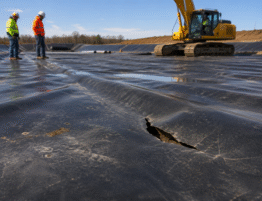
Leak location surveys are designed to locate holes, tears, or seam failures in geomembranes. These surveys rely on electrical conductivity principles, allowing technicians to pinpoint leaks with precision. The effectiveness of leak location surveys depend not only on the technology used but also on the timing of the inspection.
What Is Pre-Cover Leak Testing
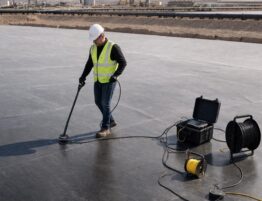
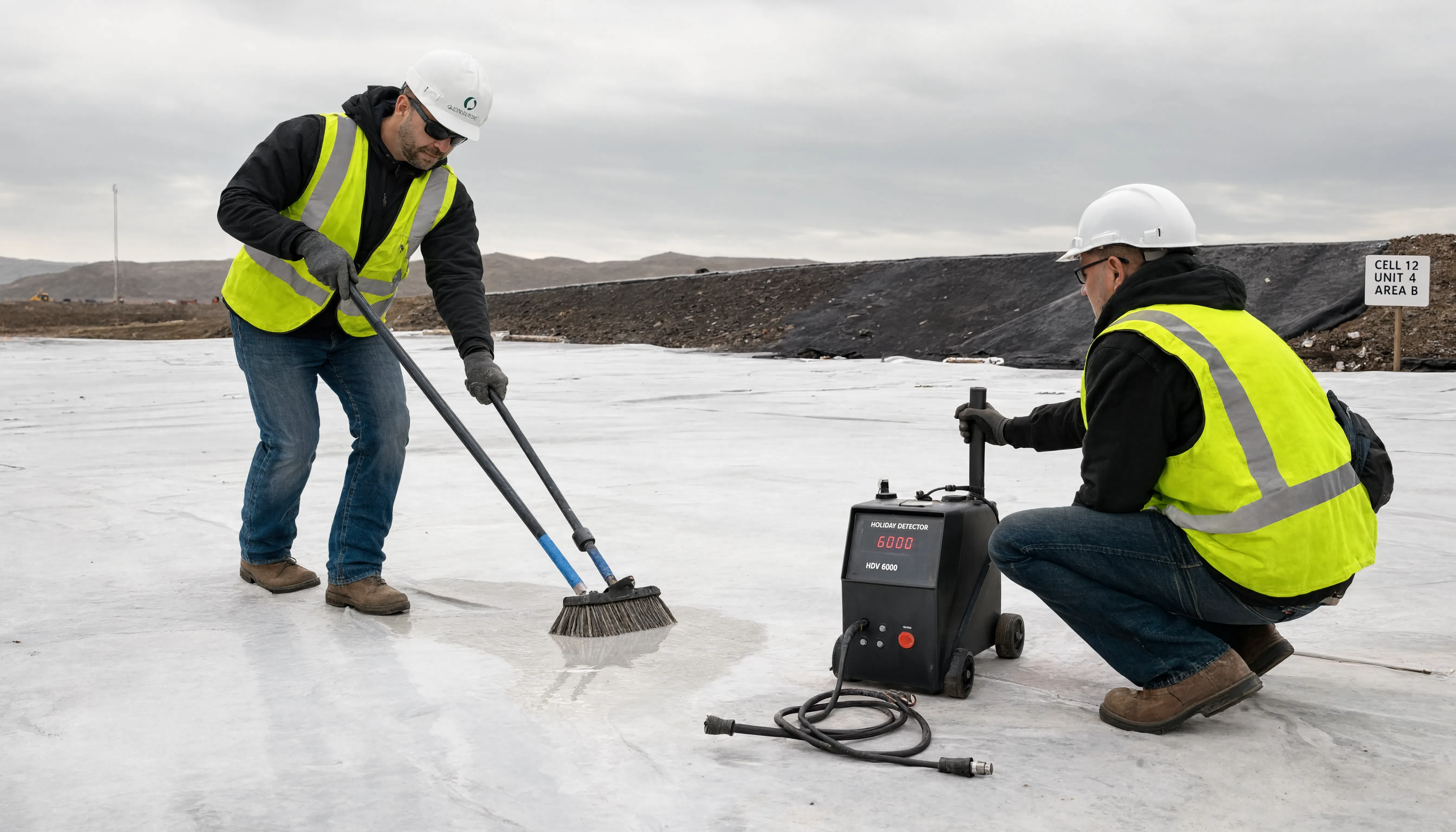
Pre-cover leak testing is conducted immediately after the geomembrane installation and before any protective cover material is placed on top. This stage offers direct access to the liner, making it easier to repair defects.
Key Characteristics of Pre-Cover Testing
- Performed before soil, water, or other materials cover the geomembrane
- Allows direct visual and electrical inspection
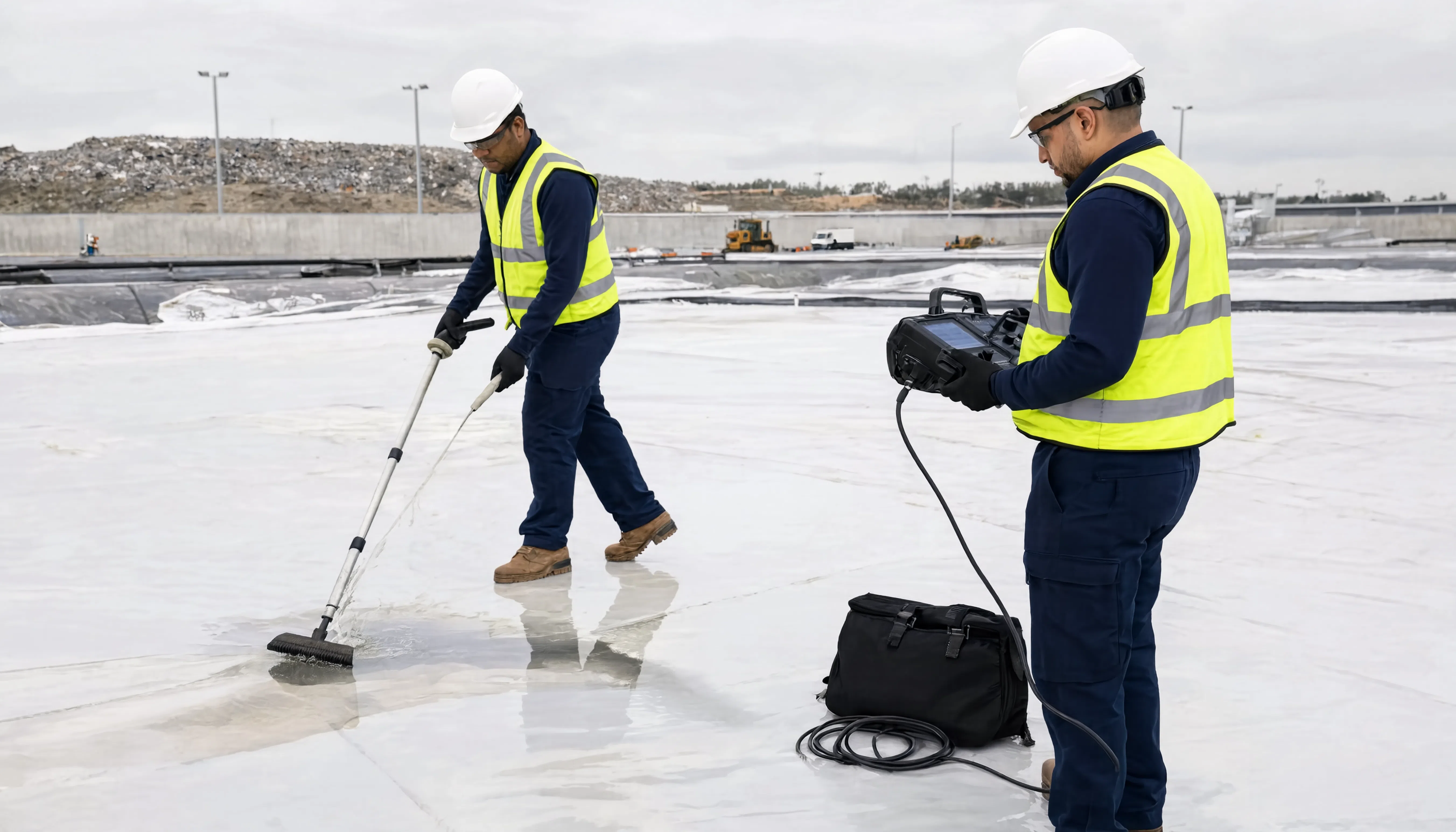
- Typically uses methods such as spark and arc testing or water puddle surveys
- Enables immediate repair of detected defects
Advantages of Pre-Cover Leak Testing
Pre-cover testing provides several important benefits that make it standard practice in many projects.
- Immediate defect detection
Any damage caused during installation can be identified right away - Simplified repairs
With the liner exposed, repairs are faster and less expensive - Quality assurance
Ensures that the installation meets project specifications before proceeding - Reduced long-term risk
Catching issues early prevents them from becoming larger problems later
Limitations of Pre-Cover Testing
While highly effective, pre-cover testing does have some limitations.
- It only captures defects present at the time of inspection
- Damage caused during subsequent construction activities may go unnoticed
- It does not account for long-term wear or operational stress
What Is Post-Cover Leak Testing
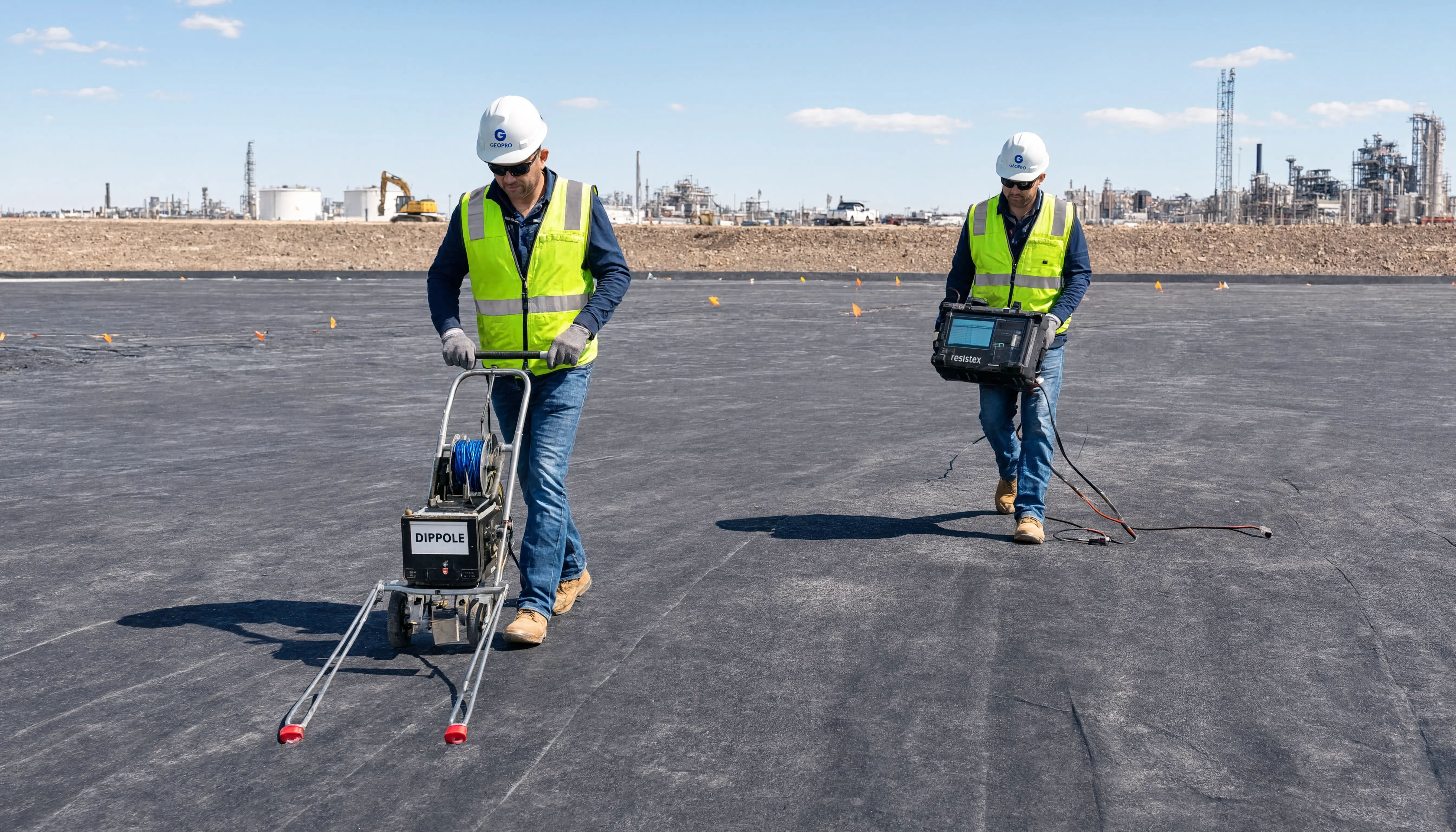
Post-cover leak testing is performed after the geomembrane has been covered with soil or water. This method evaluates the liner under real-world conditions, making it an essential complement to pre-cover testing.
Key Characteristics of Post-Cover Testing
- Conducted after the liner is in service or fully installed
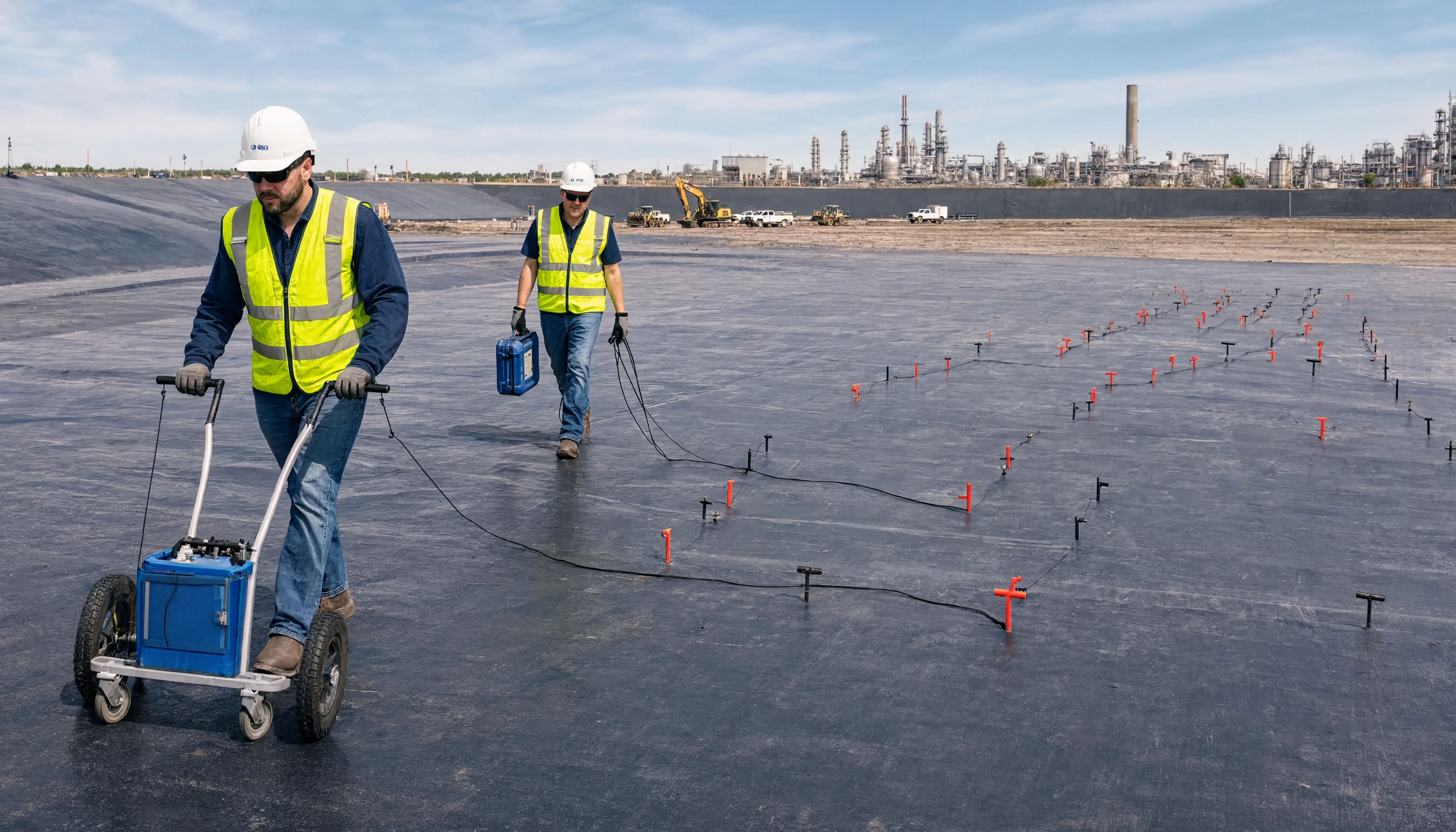
- Requires specialized electrical survey techniques
- Can detect leaks beneath cover materials
- Often used for regulatory compliance and ongoing monitoring
Advantages of Post-Cover Leak Testing
Post-cover testing offers unique insights.
- Real-world performance evaluation
Tests the liner under actual operating conditions - Detection of construction-related damage
Identifies defects caused during cover placement or subsequent activities - Regulatory compliance
Many environmental regulations require post-installation verification
Limitations of Post-Cover Testing
Post-cover testing is highly valuable but comes with certain challenges.
- Repairs can be more complex and costly due to limited access
- Testing requires advanced equipment and experienced technicians
- Detection sensitivity may vary depending on cover material and conditions
Pre-Cover vs. Post-Cover Leak Testing: Key Differences
Understanding the differences between these two methods helps stakeholders make informed decisions.
Timing
- Pre-cover testing occurs before the liner is covered
- Post-cover testing occurs after installation is complete and the liner is in its final cover phase
Accessibility
- Pre-cover allows direct access to the geomembrane
- Post-cover requires different methods due to overlying materials
Repair Complexity
- Pre-cover repairs are straightforward and cost-effective
- Post-cover repairs may involve excavation
Scope of Detection
- Pre-cover focuses on installation-related defects
- Post-cover identifies both installation and operational issues
Cost Considerations
- Pre-cover testing is generally less expensive due to easier access
- Post-cover testing may involve higher costs but provides broader insights
Why Both Methods Are Essential
Rather than choosing between pre-cover and post-cover testing, the most effective approach is to use both. Each method addresses different stages of a project and provides complementary information.
Combined Benefits
- Early detection of installation defects
- Location of liner damage after construction
- Reduced risk of environmental contamination
- Enhanced compliance with industry standards
By integrating both testing methods, project teams can achieve a higher level of confidence in their containment systems.
Common Applications
Leak location surveys are critical across a wide range of industries. Both pre-cover and post-cover testing are used in the following applications:
- Landfills and waste containment facilities
- Mining heap leach pads
- Wastewater treatment plants
- Agricultural lagoons
- Industrial containment ponds
Each application presents unique challenges, making it important to select the appropriate testing strategy.
Factors to Consider When Choosing a Testing Approach
Selecting the right leak location method depends on several factors.
Project Stage
- Early construction phases benefit from pre-cover testing
- Completed systems require post-cover evaluation
Environmental Conditions
- Soil type, moisture levels, and conductivity can affect testing accuracy
Regulatory Requirements
- Some jurisdictions mandate specific testing methods or timelines
Budget and Timeline
- Balancing cost with risk mitigation is essential
Risk Tolerance
- High-risk projects may require both testing methods for maximum assurance
The Role of Professional Leak Location Services
Accurate leak detection requires specialized expertise and equipment. Professional service providers bring the knowledge and technology needed to deliver reliable results.
What to Look for in a Provider
- Extensive industry experience
- Advanced electrical leak location technology
- Proven track record of successful projects
- Ability to work in diverse environments
- Commitment to safety and compliance
Working with a trusted partner ensures that leak location surveys are conducted efficiently and accurately.
Best Practices for Leak Testing
To maximize the effectiveness of leak detection efforts, consider the following best practices.
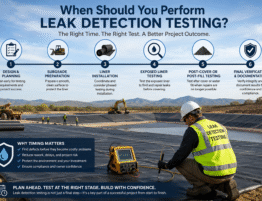
- Conduct pre-cover testing immediately after liner installation
- Avoid delaying inspections to prevent additional damage
- Perform post-cover testing after all construction activities are complete
- Use qualified professionals with specialized equipment
- Maintain detailed records of all testing and repairs
These practices help ensure that containment systems remain reliable over time.
Frequently Asked Questions
What is the main difference between pre-cover and post-cover leak testing?
Pre-cover testing is performed before the geomembrane is covered, allowing direct access for inspection and repair. Post-cover testing occurs after the liner is covered and evaluates its performance under real-world conditions.
Is pre-cover testing enough on its own?
No. While pre-cover testing identifies installation defects, it does not account for damage that may occur during or after cover placement. Post-cover testing is needed for a complete assessment.
Can leaks still occur after successful pre-cover testing?
Yes. Construction activities, material placement, and operational stresses can introduce new defects after pre-cover testing is completed.
How accurate is post-cover leak testing?
When conducted by experienced professionals using advanced equipment, post-cover testing is highly accurate and capable of pinpointing even small leaks.
Which industries benefit most from leak location surveys?
Industries such as waste management, mining, agriculture, and wastewater treatment rely heavily on leak location surveys to protect the environment and ensure compliance.
How often should leak testing be performed?
Testing frequency depends on regulatory requirements and operational risk, but many facilities perform inspections during installation and periodically throughout the system’s lifecycle.
Contact Us Today
Ensuring your geomembrane system requires expertise, precision, and a proven approach. Leak Location Services, Inc. has over 33 years of experience delivering world-class electrical leak location surveys for clients across the globe. Whether you need pre-cover testing, post-cover evaluation, or a comprehensive leak location strategy, our team is equipped to provide accurate, reliable results. Contact us to learn more about our services and discover how we can help protect your investment and ensure environmental compliance.