When it comes to landfill performance, everything hinges on what lies beneath the surface. From the outside, a landfill may look like a carefully managed operation, but the real work happens below ground where liner systems are tasked with containing waste and protecting the surrounding environment. As a company deeply involved in leak detection and liner integrity, we have seen firsthand how even small issues can lead to significant consequences when left unchecked.
Understanding landfill liner failure causes is not just important for compliance. It is essential for protecting groundwater, maintaining operational efficiency, and avoiding costly remediation efforts. In this guide, we are breaking down the most common reasons liners fail, what to watch for, and how to stay ahead of potential problems before they escalate.
Why Landfill Liners Matter More Than You Think
Landfill liners are engineered barriers designed to prevent leachate from escaping into the surrounding soil and groundwater. These systems typically consist of multiple layers, including compacted clay and synthetic geomembranes such as HDPE.
When functioning properly, liners serve as a critical safeguard against environmental contamination. However, when they fail, the consequences can be severe:
- Groundwater pollution
- Soil contamination
- Regulatory violations and fines
- Expensive cleanup and repair efforts
- Damage to a facility’s reputation
Because of these risks, understanding the root causes of failure is the first step toward prevention.
Installation Errors That Create Hidden Weak Points
From our experience, many liner failures can be traced back to the installation phase. Even with high-quality materials, improper installation can compromise the entire system from day one.
Poor Subgrade Preparation
A stable, smooth foundation is essential for liner performance. If the subgrade contains rocks, debris, or uneven surfaces, it can create stress points that lead to punctures or tears over time.
Inadequate Seam Welding
Seams are often the most vulnerable part of a geomembrane liner. If welding is inconsistent or poorly executed, it can result in weak bonds that eventually separate.
Wrinkles and Bridging
Wrinkles may seem minor during installation, but they can create channels where leachate flows and stress accumulates. Over time, these areas are more prone to failure.
Lack of Quality Control
Without proper inspection and testing during installation, defects can go unnoticed until the liner is already in use. This is one of the most preventable landfill liner failure causes.
Mechanical Damage During and After Installation
Even after a liner is properly installed, it remains vulnerable to mechanical damage. We often see issues caused by external forces that were not accounted for.
Heavy Equipment Traffic
Construction vehicles and equipment can place significant stress on liners. Without proper protection layers, this can lead to punctures or abrasion.
Dropped Tools or Materials
Sharp objects or heavy materials can easily damage a liner if they come into direct contact with it.
Waste Placement Stress
As waste is added to a landfill, the weight and movement can create pressure on the liner system. Uneven loading can increase the risk of tears or deformation.
Mechanical damage is one of the most common landfill liner failure causes, especially when protective measures are not in place.
Environmental Factors That Accelerate Degradation
Landfills operate in dynamic environments, and liners are constantly exposed to changing conditions. Over time, these factors can weaken even the most durable materials.
Temperature Fluctuations
Expansion and contraction caused by temperature changes can stress liner materials and seams, leading to cracks or separation.
UV Exposure
For exposed liners, prolonged exposure to sunlight can degrade materials and reduce their flexibility and strength.
Chemical Exposure
Leachate often contains a mix of chemicals that can interact with liner materials. Over time, this exposure can lead to chemical degradation.
Settlement and Ground Movement
As waste decomposes, the landfill settles. This movement can shift the liner and create stress points that lead to failure.
Understanding how environmental conditions impact liner performance is key to long-term success.
Material Defects and Manufacturing Issues
While less common, material defects can still play a role in liner failure. Even small inconsistencies in manufacturing can lead to performance issues.
Inconsistent Thickness
Variations in liner thickness can create weak spots that are more prone to damage.
Poor Material Quality
Low-quality materials may not meet the necessary standards for durability and chemical resistance.
Defects in Rolls or Panels
Occasionally, liners may arrive with hidden defects that are not immediately visible during installation.
This is why material testing and verification are so important before and during installation.
Inadequate Drainage and Leachate Management
A liner system does not work alone. It is part of a larger system that includes drainage layers and leachate collection systems.
When these components are not functioning properly, pressure can build up on the liner.
Leachate Buildup
Excess leachate can increase hydraulic pressure, pushing against the liner and increasing the risk of leaks.
Clogged Drainage Systems
If drainage layers become clogged, they cannot effectively remove liquids, leading to additional stress on the liner.
Improper Design
Poor system design can result in uneven distribution of pressure, making certain areas more vulnerable.
Proper leachate management is essential to preventing liner failure.
Lack of Ongoing Inspection and Maintenance
One of the most overlooked landfill liner failure causes is the lack of routine inspection. Too often, liners are installed and then left unchecked until a problem becomes obvious.
Undetected Small Leaks
Small defects can go unnoticed for long periods, gradually worsening over time.
Delayed Repairs
When issues are not addressed promptly, they can escalate into larger, more costly problems.
Infrequent Testing
Without regular testing, it is difficult to assess the condition of the liner and identify potential risks.
Routine inspections and testing are critical for maintaining liner integrity.
The Role of Advanced Leak Detection
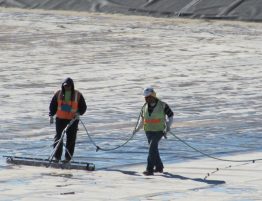
This is where our expertise comes into play. Advanced leak detection methods allow us to identify issues that would otherwise remain hidden.
Using technologies such as electrical leak location surveys, we can:
- Detect leaks as small as a pinhole
- Pinpoint the exact location of defects
- Verify liner integrity after installation
- Monitor performance over time
By incorporating these methods into your maintenance strategy, you gain a clear understanding of your liner’s condition and can act quickly when needed.
Best Practices to Prevent Liner Failure
Preventing liner failure requires a proactive approach. Based on our experience, here are some best practices that consistently deliver results:
- Ensure proper subgrade preparation before installation
- Use experienced, certified installation teams
- Conduct thorough testing during and after installation
- Implement protective layers to prevent mechanical damage
- Maintain effective drainage and leachate management systems
- Schedule regular inspections and testing
These steps help reduce risk and extend the lifespan of your liner system.
Frequently Asked Questions
What are the most common landfill liner failure causes?
The most common causes include installation errors, mechanical damage, environmental stress, material defects, and lack of maintenance.
How can liner failure be detected early?
Advanced leak detection methods, such as electrical surveys, can identify small defects before they become major issues.
Are all liner failures preventable?
While not all failures can be completely avoided, most can be prevented with proper installation, testing, and maintenance.
How often should liners be inspected?
Inspection frequency depends on regulatory requirements and site conditions, but routine evaluations are strongly recommended.
What happens if a liner fails?
Failure can lead to contamination, regulatory penalties, and costly remediation efforts, making early detection critical.
Stay Ahead of Problems Before They Start
Landfill liner systems are too important to leave to chance. Every layer, seam, and component plays a role in protecting the environment and ensuring your operation runs smoothly. By understanding the most common landfill liner failure causes and taking a proactive approach to prevention, you can significantly reduce risk and avoid costly disruptions. The key is not just reacting to problems but actively working to identify and address them before they escalate into something much bigger.
That is where Leak Location Services becomes an invaluable partner. With decades of experience in liner integrity testing and leak detection, their team brings a level of precision and expertise that is hard to match. They specialize in advanced electrical leak location surveys and other proven methods that allow for accurate, efficient detection of even the smallest defects. Whether you are installing a new liner or maintaining an existing system, Leak Location Services provides the insight and support you need to protect your investment and maintain compliance with confidence.